Why Panther Beach Keeps Showing Up in Your Feed
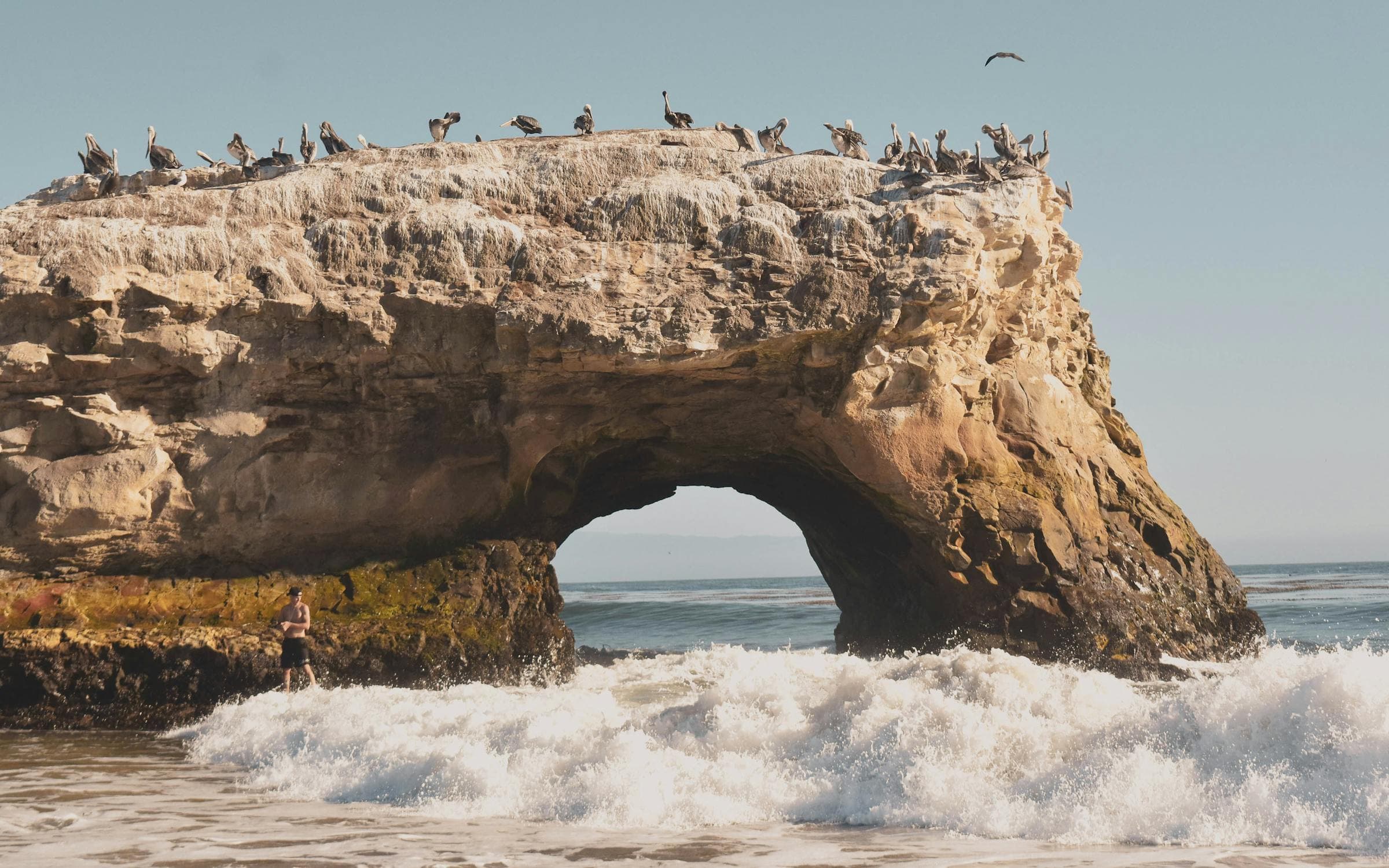
If you have spent any time looking at Northern California beach photos, you have probably seen Panther Beach without knowing its name. A towering sandstone arch framing the ocean. Layers of orange and brown rock carved into wild shapes by centuries of waves. It is one of those places that looks edited, but when you pull off Highway 1 and scramble down the short trail, it all turns out to be real.
Panther Beach sits about 10 minutes north of Santa Cruz on Highway 1, tucked below the cliffs with no sign marking it. That lack of signage is part of its character. You either know about it or you drive right past. It is exactly the kind of spot that belongs on our list of secret beaches around the world. It is not a secret exactly, but it is not on tourist maps either, which keeps the crowds manageable compared to the more popular beaches closer to town.
The Sea Cave and Hole in the Wall
The main draw here is the geology. The sandstone cliffs that frame the beach have been sculpted by wind and water into dramatic formations, with layers of colour banding through the rock like a cross-section of geological time. But the real showpiece is at the south end of the beach.
Walk along the sand toward the cliffs and you will find a massive natural arch carved straight through the rock. Locals call it the Hole in the Wall, and when the tide is low enough you can walk right through it to reach the next cove, which is sometimes called Hole in the Wall Beach. The arch frames the ocean beautifully from either side, and photographers come here specifically for that shot, especially around golden hour when the warm light hits the sandstone.
Timing matters. At high tide, the water pushes up against the base of the cliffs and the passage through the arch gets flooded or impassable. Check a tide chart before you go. Low tide gives you the most beach to explore and the best access through the sea cave. A tide below 3 feet is ideal. Anything above 4 feet and you will be stuck on the main stretch of sand, which is still beautiful but you will miss the best part.
Getting There and Parking
There is no official car park. What you get is a dirt pullover on the ocean side of Highway 1, roughly near mile marker 27. It fits maybe 15 to 20 cars, and on sunny weekends it fills up by mid-morning. If the pullover is full, some people park further along the highway shoulder, but be careful with that since the road is fast and narrow.
From the pullover, a short trail leads down the bluff to the sand. It is steep in a couple of spots but manageable for most people, including older kids. You do not need hiking boots, but flip-flops are not the best idea for the trail. Wear shoes you do not mind getting sandy.
The beach is about a 15-minute drive from downtown Santa Cruz. If you are coming from San Francisco, it is roughly 75 miles south, about an hour and a half depending on traffic. The stretch of Highway 1 between Santa Cruz and Davenport is gorgeous, so the drive itself is part of the experience.
What the Beach Is Actually Like
The sand at Panther Beach is a mix of fine golden grains and coarser material near the waterline. It is wide enough at low tide to spread out comfortably, though the usable area shrinks significantly as the water comes in. The cliffs behind you rise about 40 to 50 feet, layered in shades of rust, cream, and grey. On a clear day the whole scene looks almost surreal.
Now, about that water. This is the Northern California coast, not Southern California. The Pacific here is cold. Genuinely cold. Water temperatures hover between 50 and 58 degrees Fahrenheit year-round. Some people swim. Most people wade in up to their knees, gasp, and walk back out. If you want to actually get in, a wetsuit makes a huge difference. Surfers and divers in this area wear them year-round for a reason.
The surf can be unpredictable too. Panther Beach is somewhat sheltered by its cove shape, but waves still roll in with force, especially on bigger swell days. There are no lifeguards, so use good judgment. Rip currents can develop, particularly near the rock formations at either end of the beach.
No Facilities, No Problem
There is nothing here. No bathrooms, no trash cans, no food vendors, no lifeguard towers. That is part of what makes Panther Beach feel so different from the more developed California beaches. You are on your own.
Bring water, snacks, sunscreen, and bags for your rubbish. If you need a restroom, the nearest options are back in Davenport (a few minutes north) or at other beaches closer to Santa Cruz. Plan accordingly, especially if you are spending a few hours here.
Cell service can be spotty along this stretch of highway. Do not count on looking up tide charts once you are already at the beach. Check before you leave.
When to Visit
Summer and early fall give you the best weather, though fog is common in the mornings along this coast, sometimes burning off by noon, sometimes sticking around all day. June is particularly foggy. September and October tend to offer the warmest, clearest days.
Weekdays are quieter. On a Tuesday afternoon you might have the beach nearly to yourself. Weekend mornings fill up faster, especially when the weather is good. Sunset draws photographers, so the golden hour crowd picks up in the late afternoon.
Winter visits can be rewarding if you are not planning to swim. The cliffs look incredible in winter light, the beach is often empty, and the waves are more dramatic. Just dress warmly and pay close attention to tide conditions since winter swells are larger and less predictable.
Connecting to Hole in the Wall Beach
Once you walk through the arch at low tide, you will find yourself in a smaller, even more secluded cove. This stretch is rockier than the main beach and feels genuinely remote. Tide pools dot the base of the cliffs, and the rock formations here are just as impressive as the main beach.
The key thing to remember is that you are on a tidal clock. If you wander through to the other side and the tide starts coming in, getting back can go from easy to tricky fast. Keep an eye on the water level around the arch. If it is starting to creep in, head back. Getting caught on the wrong side with rising water and no easy exit is not the kind of adventure you want.
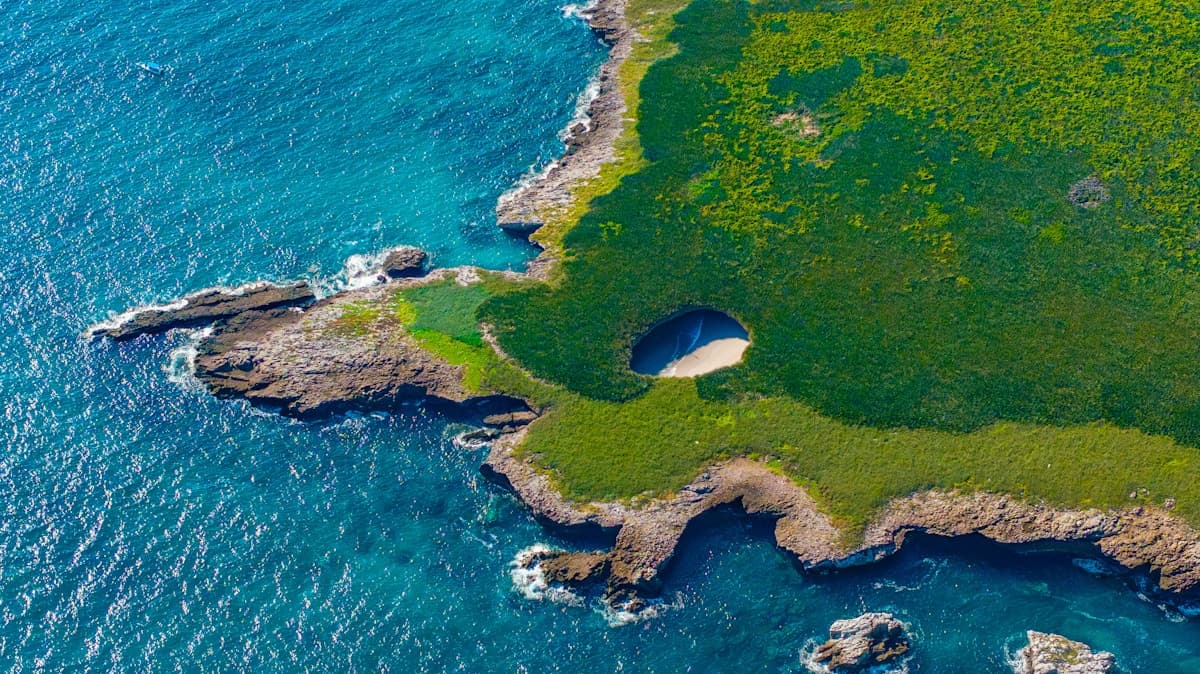
Panther Beach is not the warmest, most comfortable, or most convenient beach in California. But it might be the most photogenic stretch of coastline you can reach with a 30-second walk from your car. The sandstone, the sea cave, the raw feel of it. This is the California coast before anyone built anything on it, and that is exactly why people keep pulling off Highway 1 to see it. For another hidden Mexican cove with similar drama, Playa del Amor is worth a look.