Navagio Beach: The Most Photographed Beach in Greece
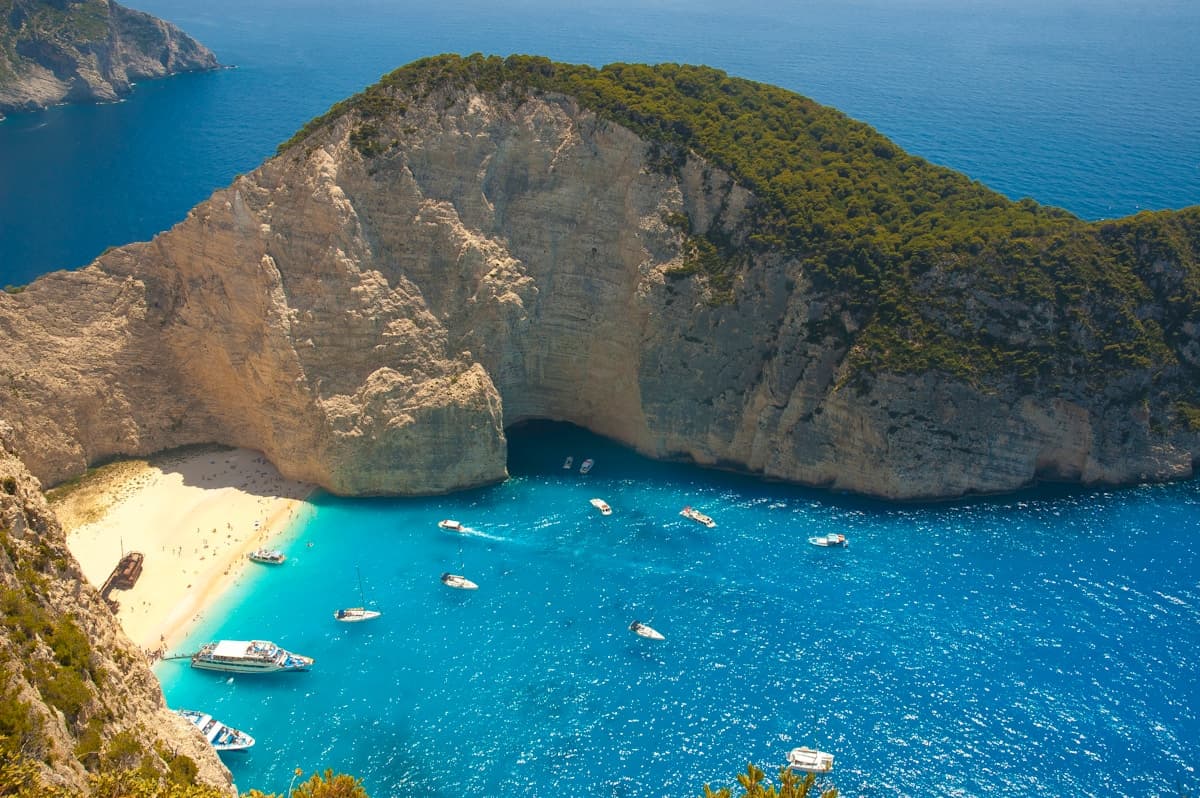
You have seen this beach a thousand times. It has been on postcards, phone wallpapers, and about half the travel Instagram accounts you follow. A rusted shipwreck sitting on white sand, boxed in by sheer limestone cliffs, with water so blue it looks photoshopped. Navagio Beach on the northwest coast of Zakynthos is one of those places that genuinely looks like its photos. The catch? Actually getting there, and dealing with the reality that everyone else wants to see it too, takes a bit of planning.
The Shipwreck That Made It Famous
The beach was not always called Shipwreck Beach. Before 1980, it was simply Agios Georgios, a nameless cove that nobody could easily reach. Then the MV Panagiotis ran aground here during a storm. The ship had been smuggling contraband (cigarettes and alcohol, depending on who tells the story), and when the Greek navy gave chase, the crew tried to outrun them in rough weather. They lost. The ship washed up on the sand, the crew was arrested, and nobody bothered to move the wreck.
Over the decades, salt and sun have turned the Panagiotis into a rusting skeleton. It still sits there on the sand, slowly falling apart, which only adds to the atmosphere. You can walk right up to it when you visit, though climbing on it is discouraged these days since the hull is corroding and unstable.
What the Beach Is Actually Like
Let's talk about what happens when you step off the boat, because this is where expectations sometimes collide with reality.
The sand is not the fine powder you might picture from the aerial drone shots. It is a mix of white sand and smooth pebbles, coarser than most Greek beaches. Walk barefoot and it feels a bit rough underfoot but nothing painful. The color is genuinely white, bleached by the sun and the limestone that crumbles down from the cliffs above.
Those cliffs are the real showstopper. They rise about 200 meters straight up on three sides, creating a natural amphitheater of pale rock that reflects sunlight down onto the water. That reflection is exactly why the sea here looks so absurdly blue. The water clarity is outrageous. You can see straight to the bottom in most spots, and the color shifts from pale turquoise near shore to deep cobalt further out. Swimming here feels special, no question about it.
There is nothing on the beach. No bars, no sunbed rentals, no toilets, no shade structures. Bring your own water, snacks, and sun protection. The cliffs provide a sliver of shade in the early morning and late afternoon, but during the middle of the day you are fully exposed.
The Crowd Problem (And How to Beat It)
Here is the honest truth: between roughly 10am and 3pm in peak season, Navagio Beach can feel like a parking lot. Tour boats from every harbor on the island converge here, unloading passengers who have about 30 to 45 minutes on the sand before being shuttled back. At its worst, you will share the beach with several hundred other visitors, all trying to get the same photo with the shipwreck.
The solution is timing. Book a private boat or a small-group tour from Porto Vromi, which is the closest departure point (about 30 minutes by sea). Go for the earliest available departure, ideally arriving at the beach before 9:30am. At that hour, you might share the cove with just a handful of other boats. The light is better for photos too, hitting the cliffs at an angle rather than the flat overhead glare of midday.
Late afternoon works as well. Most of the big tour boats have cleared out by 4pm, and the sunset light turns the cliffs golden. Some boat operators offer specific late-afternoon trips for this reason.
Boat trips typically cost between 15 and 30 euros per person, depending on the departure point and whether the tour includes stops at the Blue Caves and other beaches along the coast. The combo tours are good value if you have a full day, but they tend to arrive at Navagio during peak crowding hours.
The Viewpoint Above
Many visitors never set foot on the beach at all. The clifftop viewpoint, which you can drive to, is arguably just as iconic. The view straight down into the cove, with the shipwreck looking tiny against the white sand and blue water, is the shot you have seen in every guidebook.
Getting there is straightforward. Drive to Anafonitria on the northwestern side of the island, then follow signs to the viewpoint. There is a parking area and a short walk to several viewing platforms. It is free to visit and open around the clock, which makes it a fantastic sunset spot.
One thing to know: a significant landslide hit the cliff face in 2018, sending rock and debris onto the beach below. Some visitors were injured. The cliff edge at the viewpoint now has sections fenced off for safety, and the viewing platforms have been reinforced. It is safe to visit, but stick to the designated areas and respect the barriers. Standing on the cliff edge for a selfie is not worth it, and locals will tell you as much.
Planning Your Visit
When to go: The boat tour season runs roughly from May through October, with June through September being the prime window. July and August are the busiest (and hottest). Late June and September offer warm water, good weather, and noticeably fewer people.
What to bring: Water (at least a liter per person), sunscreen, a hat, and something to sit on. Wear shoes you can get wet since you will likely wade through shallow water when getting on and off the boat. A waterproof bag for your phone is smart.
Swimming: The water is calm inside the bay most days, and the swimming is excellent. There is no gradual shelf though. It drops off fairly quickly, so keep that in mind with younger children. There are no lifeguards.
Photography tip: For the classic aerial shot, visit the viewpoint. For beach-level photos with the shipwreck, morning light is best. The cliffs block direct sunlight from the west, so late afternoon on the beach itself can actually be a bit shadowy.
Is It Worth the Hype?
Plenty of famous beaches disappoint in person. Navagio is not one of them. The scale of the cliffs, the color of the water, the strangeness of a rusting ship on an otherwise pristine beach. It all works. The setting is genuinely jaw-dropping, even if you have scrolled past a hundred photos of it before arriving.
What it is not, though, is a relaxing beach day. There are no facilities, the boat schedule gives you limited time, and during peak hours the crowds strip away any sense of solitude. Think of it more as a natural spectacle you are visiting rather than a place to lounge for hours.
If you want the full experience, combine the beach visit (by boat, early morning) with a drive to the viewpoint at sunset. That gives you both perspectives and avoids the worst of the midday crush. Zakynthos has plenty of quieter beaches for the lounging part of your trip. Navagio is for the moment you step off the boat, look up at those impossible cliffs, and think: yeah, this one lives up to its reputation.