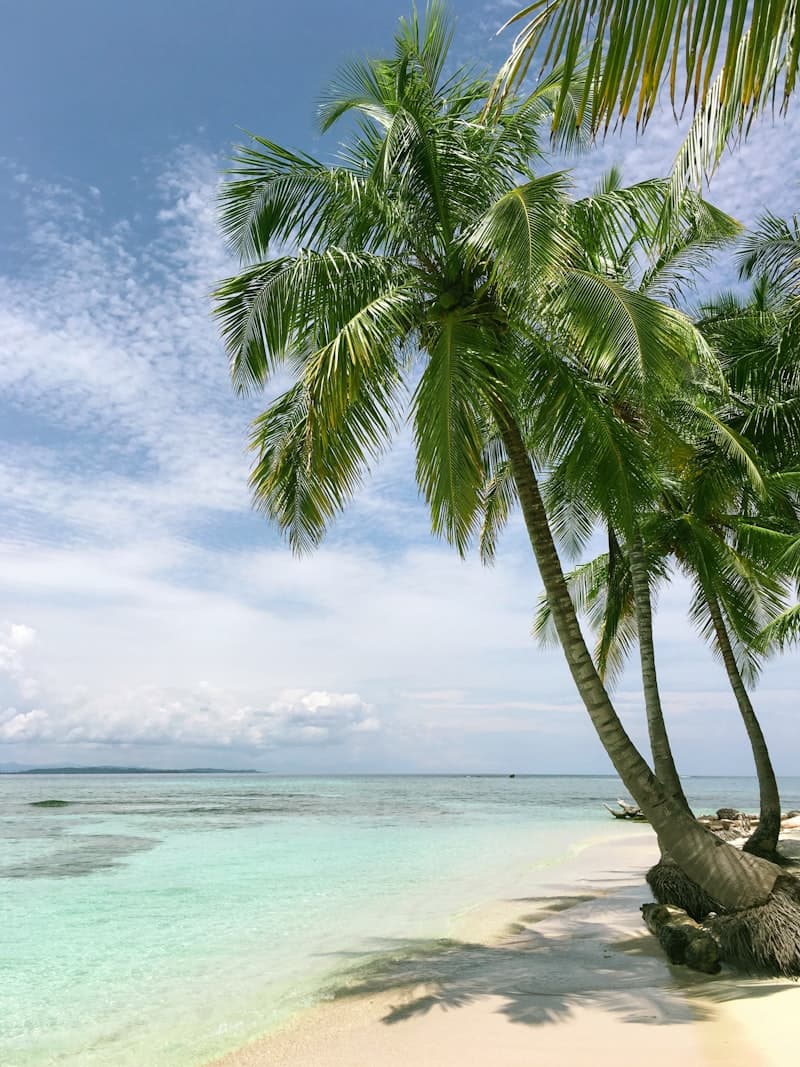
The first time you step onto Elafonissi Beach, you'll probably stop walking and just stare. The sand really is pink. Not the oversaturated pink you see in heavily filtered Instagram photos, but a soft, rosy blush that shifts depending on the light and how wet the sand is underfoot. It comes from millions of tiny crushed shells and coral fragments mixed into the shoreline, and it turns the whole southwest corner of Crete into something that feels almost tropical.
Why Elafonissi Beach Crete Pink Sand Draws Visitors from Around the World
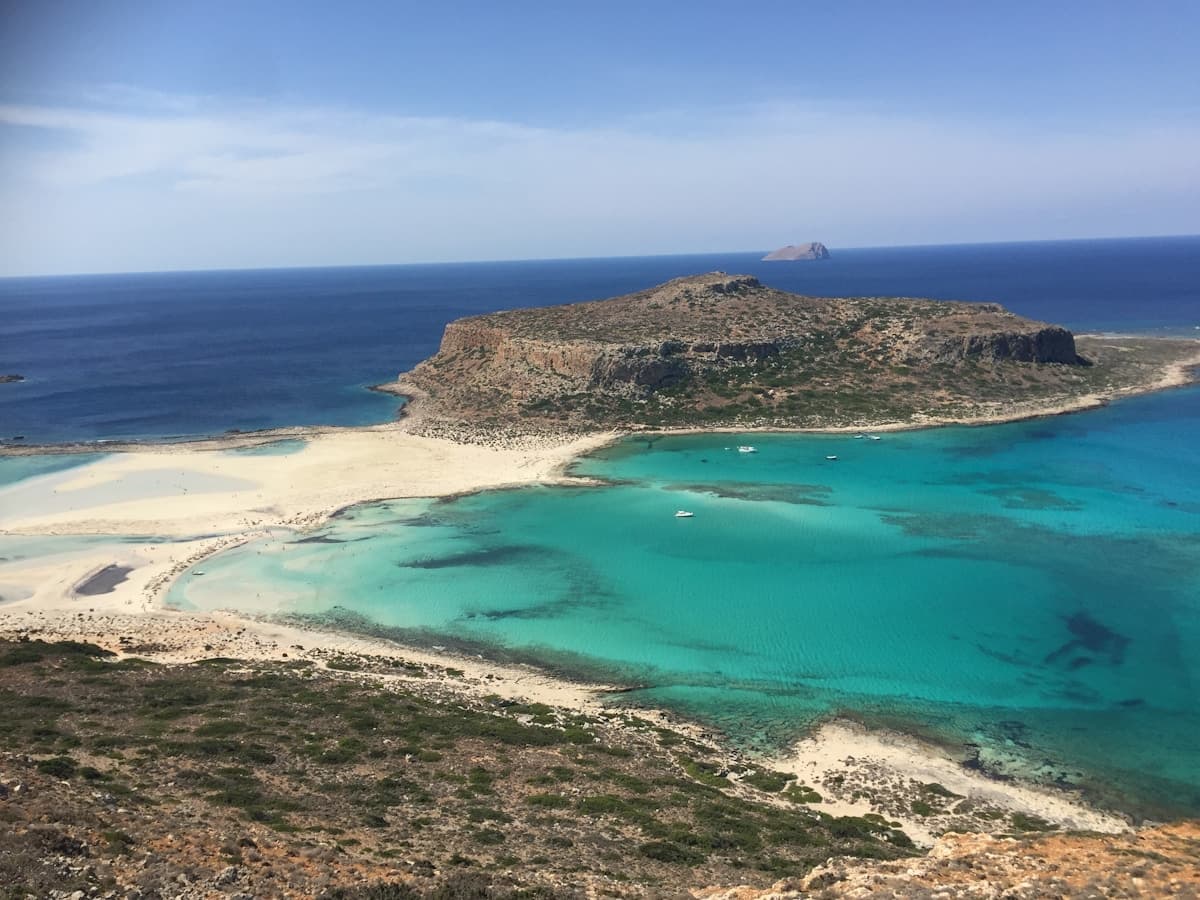
Elafonissi sits at the very tip of Crete's southwest coast, a protected Natura 2000 site where a shallow lagoon separates the main shore from a small peninsula you can wade across to. The water rarely gets above knee height in the lagoon, which makes it one of the safest swimming spots on the island for young children. On a calm day the sea looks Caribbean, all pale greens and blues against that distinctive pink-tinged sand.
What makes elafonissi beach crete pink sand so unusual in Europe is the combination. You get warm, crystal-clear water. You get a wild, windswept landscape backed by scrubby dunes and wildflowers. And you get that color underfoot. Most European beaches simply cannot compete with that mix.
Getting There and What to Expect on Arrival
The drive from Chania takes about an hour and a half, and those 75 kilometers feel longer than they should. The road narrows as it winds through the Topolia Gorge, cutting between sheer rock faces before climbing into the hills. It is beautiful, but you will want to take it slowly, especially if you are not used to mountain driving. Coaches manage the route daily in summer, so it is perfectly doable, just tight in places.
When you arrive, there is a parking area at the top of the hill above the beach. Expect to pay around three to five euros for a spot, and during July and August, plan to arrive before 10am or you will be circling. A short dirt path leads down to the sand from the lot. There are no grand boardwalks or resort entrances here. You just walk down the hill and suddenly there it is.
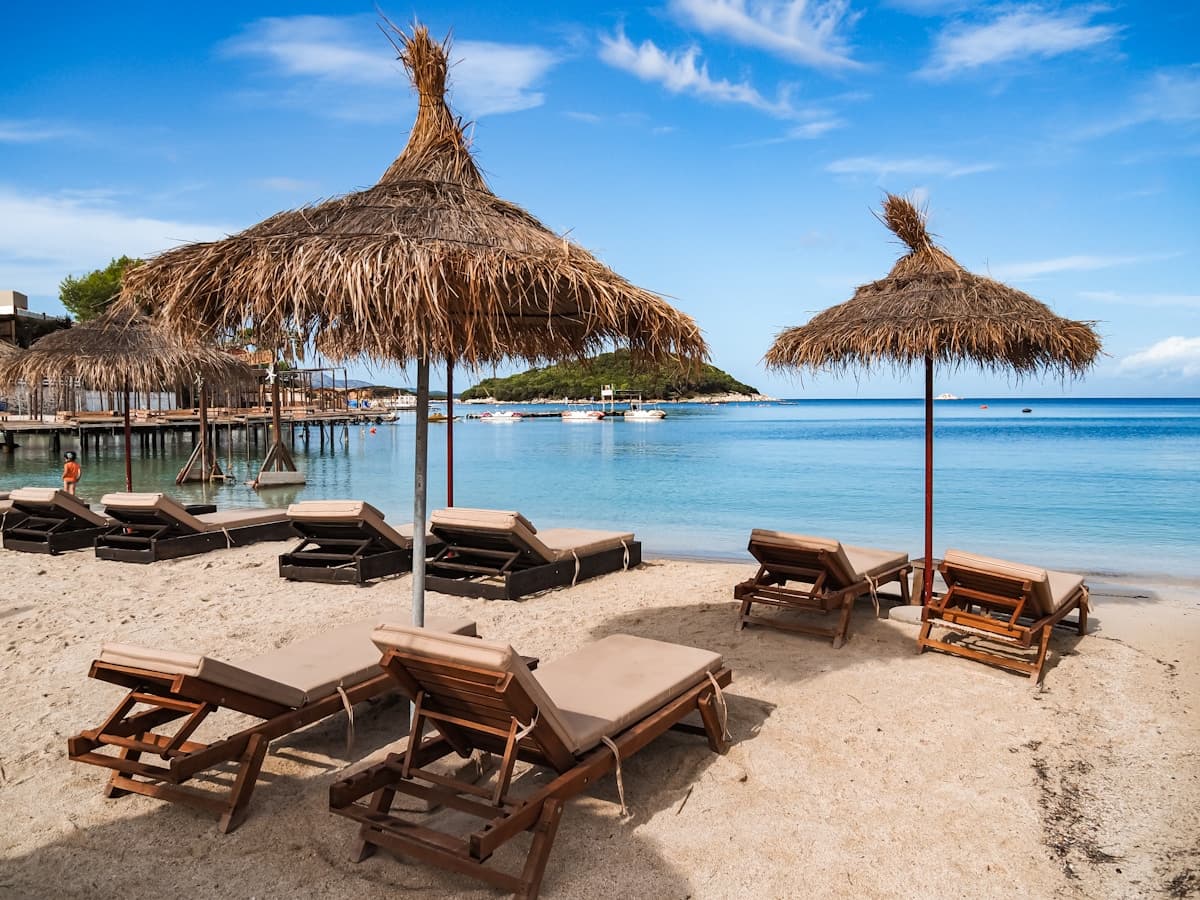
Basic facilities line the approach. A handful of tavernas sell grilled fish, Greek salads, and cold drinks at reasonable prices. You will find portable toilets and a small changing area, but do not expect much beyond that. Sunbed and umbrella rentals are available closer to the main section of the beach, typically around eight to ten euros for a pair. Plenty of people skip them entirely and spread a towel on the sand further along where things thin out.
When to Visit for the Best Experience
Timing matters more here than at most beaches. July and August bring serious crowds. Tour buses arrive in waves starting mid-morning, and the main section of sand fills up fast. The atmosphere shifts from peaceful to packed within a couple of hours on a peak summer day. It is still beautiful, but the sense of discovery disappears when you are shoulder to shoulder with a few hundred other visitors.
May, June, and September are the sweet spot. Water temperatures in late May hover around 20 to 22 degrees Celsius, which is refreshing but perfectly swimmable. By June the sea warms up nicely, and the crowds have not yet peaked. September offers warm water and thinning tourist numbers, though you may catch some early autumn wind.
If you visit in spring, you get a bonus. The dunes behind the beach erupt with wildflowers, including sea daffodils and a few rare endemic species. The whole landscape feels greener and softer, and you might have long stretches of sand almost entirely to yourself on a weekday morning.
Exploring Beyond the Main Beach
Most visitors stick to the wide main stretch of sand near the parking area, but the real magic is further out. Wade across the shallow lagoon toward the peninsula (the water tops out around mid-calf for adults) and you will find smaller, quieter coves on the other side. The pink sand tends to be more concentrated in some of these pockets, and the snorkeling along the rocky edges is decent, with small fish darting through clear water over a sandy bottom.
Walking the full length of the peninsula takes about twenty minutes. The far side faces the open sea and can get rougher, so stick to the lagoon side for swimming, especially with kids. The rocks at the tip offer a nice vantage point back across the lagoon if you want to sit with a book or simply take in the view.
Because Elafonissi is a Natura 2000 protected area, the rules ask you not to disturb the dune vegetation or take sand home. It is tempting to pocket a handful of that pink stuff, but conservation here depends on visitors leaving things as they found them.
Practical Tips for Your Trip
A few things worth knowing before you go. First, bring water shoes if you have them. The lagoon floor is mostly sand, but there are patches of rock and sea grass, and the walk across to the peninsula is more comfortable with something on your feet. Second, bring your own shade if you want to set up away from the main beach. There are no trees along most of the shoreline, and the sun in Crete between June and September is serious.
Wind is the other variable. Elafonissi faces west, and the prevailing summer winds can pick up in the afternoon. On a calm day the lagoon is glass-flat and perfect. On a windy day the sand whips around and the sea gets choppy beyond the sheltered areas. Checking the forecast the morning of your visit saves you from an unpleasant surprise.
If you are staying in Chania, consider making a full day of it. Stop at the Topolia Gorge on the way down for a quick walk. Visit the monastery of Chrysoskalitissa, perched on a cliff about 5km before Elafonissi, for a bit of cultural contrast. Then hit the beach by mid-morning, swim through the afternoon, and grab dinner at one of the small tavernas in Elafonissi village before driving back.
Is Elafonissi Worth the Trip?
Without question. The drive is long and the road is winding, but very few beaches in Europe offer what Elafonissi delivers. That pink sand against turquoise shallows, the wild Cretan landscape, the feeling of reaching the edge of the island and finding something genuinely rare. It is not a hidden gem anymore, and peak summer can feel overwhelming, but time your visit right and this beach still has the power to stop you in your tracks.