Entalula Beach Palawan: The Quiet Star of El Nido's Tour C
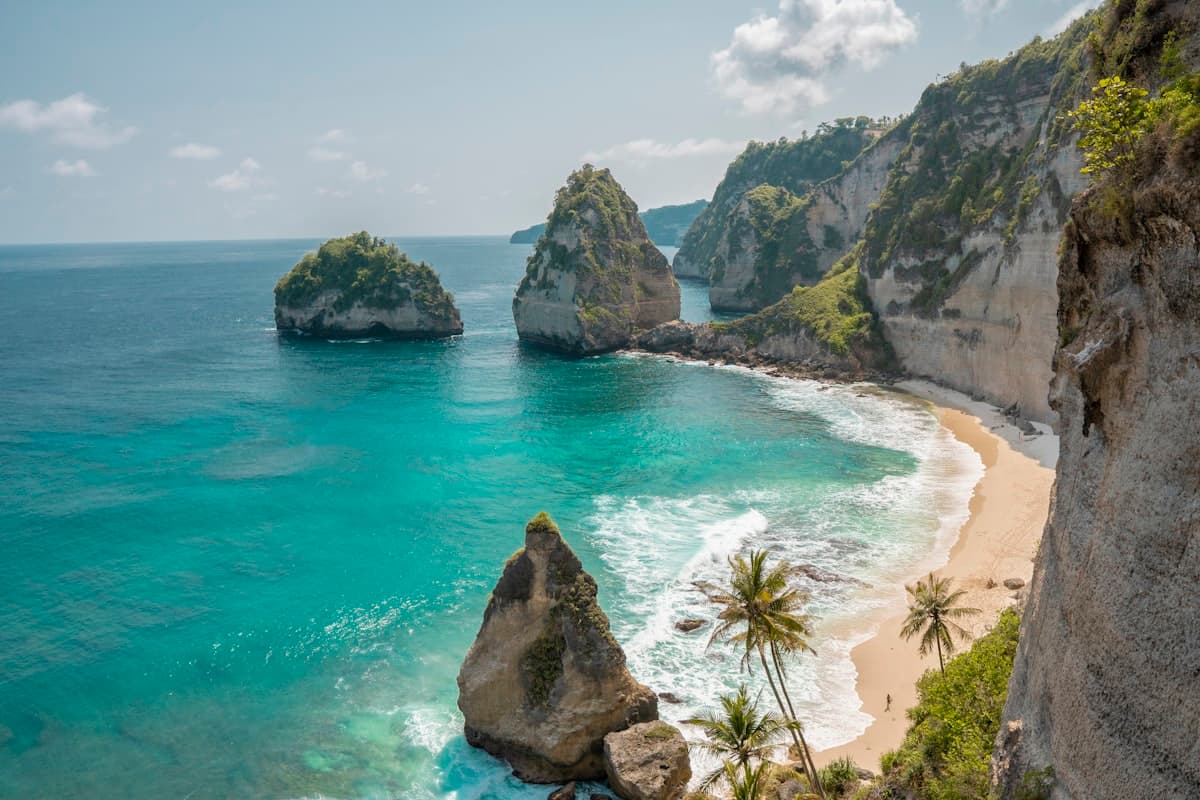
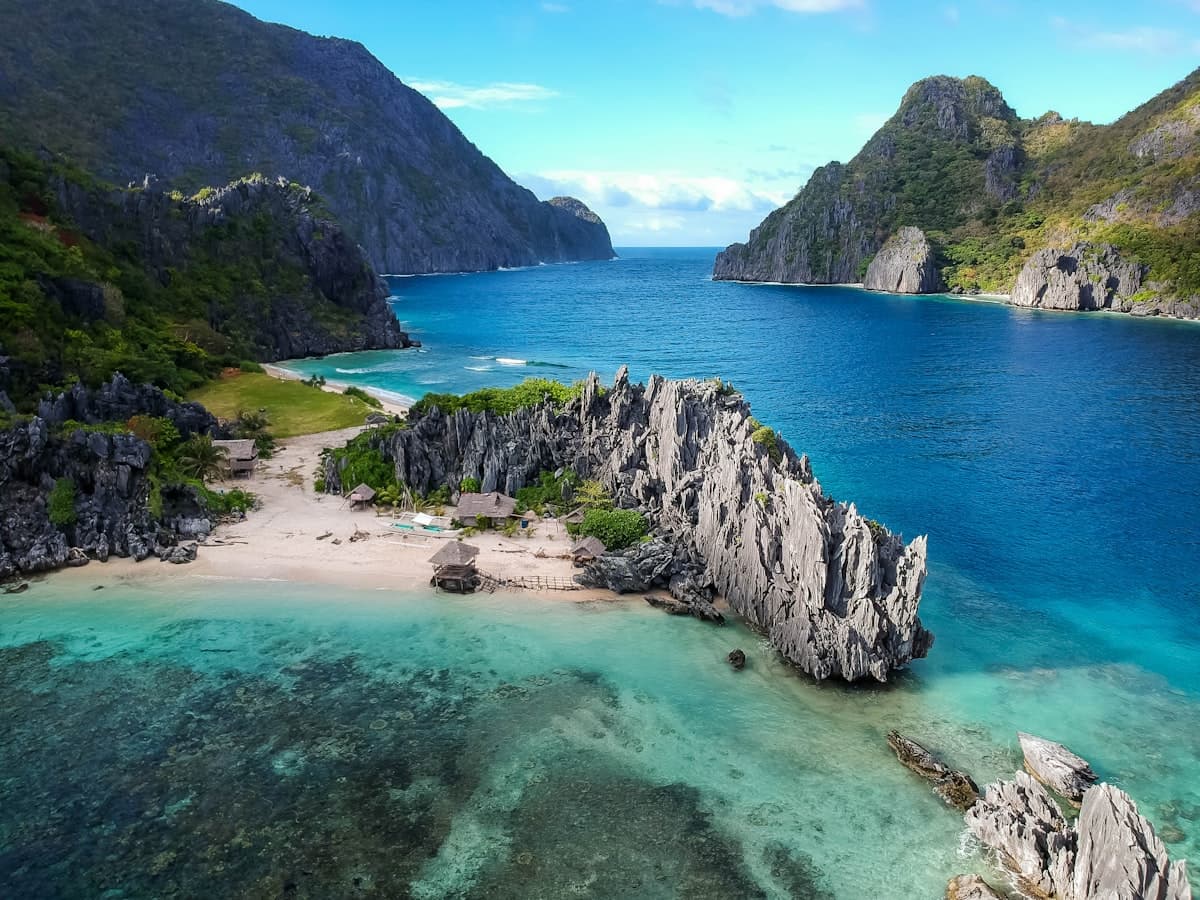
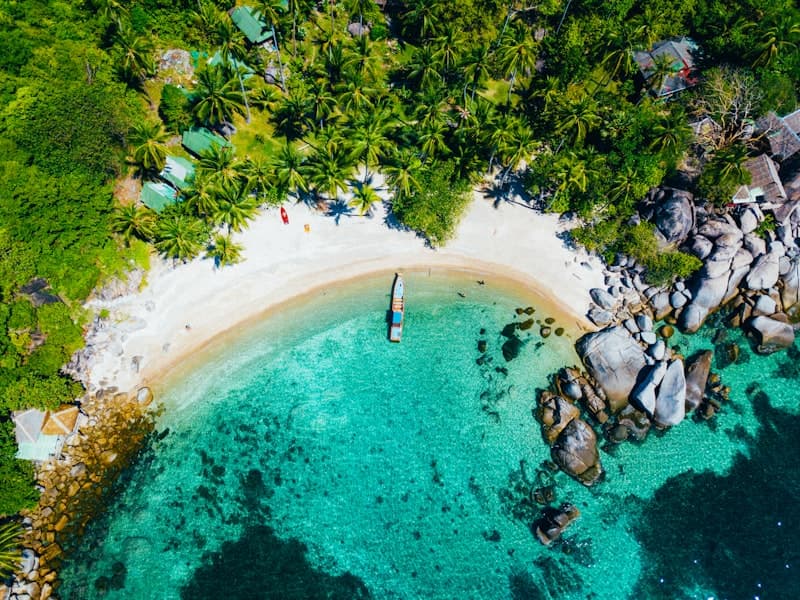
Entalula Beach hits you the moment your bangka rounds the edge of the island. A wide crescent of powder-white sand, backed by dark limestone karst walls that shoot straight up like the bones of some ancient cathedral. The water in front of you shifts from pale turquoise to deep blue in the space of a few meters. You step off the boat into ankle-deep warmth and think: this is the one.
Most visitors to El Nido fixate on Tour A. Big Lagoon, Small Lagoon, Secret Lagoon. They're beautiful, no question, but they're also packed. Tour boats line up bow to stern and you spend half your time navigating around other swimmers. Entalula Beach, part of the less-hyped Tour C itinerary, gives you something those spots can't: breathing room. There are no permanent structures here, no vendors, no beach bars. Just sand, rock, and water.
Getting to Entalula Beach
You cannot walk to Entalula. There is no ferry schedule, no private pier. The island sits in the Bacuit Archipelago, a scattered chain of limestone islands northwest of El Nido town, and the only way to reach it is by joining one of the organized island hopping tours that leave from the town beach each morning.
Tour C is what you want. Every registered boatman in El Nido offers the same four standardized tours (A through D), each covering a fixed set of islands. Tour C typically includes Entalula Beach along with Hidden Beach, Matinloc Shrine, Secret Beach, and Helicopter Island. The exact order varies depending on weather and your boatman's preference, but Entalula is almost always on the list.
Tour prices run from 1,200 to 1,500 PHP per person (roughly $22 to $27 USD), which covers the boat, a basic lunch of grilled fish and rice, and the environmental fee for the marine reserve. You can book through your hotel, a tour operator on Calle Hama (El Nido's main street), or directly with boatmen at the beach. Booking the night before is usually fine during the shoulder months, but if you're visiting in peak season (December through February), lock it in a day or two early.
Boats leave around 9 AM and return between 4 and 5 PM. The ride to Entalula takes roughly 30 to 45 minutes depending on sea conditions. You'll typically spend 30 to 45 minutes on the beach itself before moving to the next stop.
What to Expect on the Beach
Entalula is wider than you'd expect for an island beach. The sand stretches a good 200 meters along the shore with plenty of space to spread out, even when several tour groups arrive at the same time. The sand itself is fine and white, the kind that squeaks under your feet when it's dry and stays cool in the shade.
The limestone cliffs behind the beach create natural shade in the mornings, which is a real advantage when the midday sun starts to bite. There are no trees to speak of on the beach itself, so if you arrive after noon you'll be fully exposed. Bring sunscreen. Lots of it.
The water is exceptionally clear. You can see your toes in chest-deep water without any trouble, and the sandy bottom extends out a fair distance before dropping off. Swimming here is easy and safe, with no strong currents to worry about inside the cove. The gentle slope makes it comfortable even for less confident swimmers.
Snorkeling at Entalula
The snorkeling around Entalula is surprisingly good, though you have to know where to look. The center of the beach, where most people wade in, is mostly sandy bottom with limited marine life. Head to the rocky edges on either side of the cove and you'll find clusters of coral with small reef fish, sea urchins, and occasionally a sea star or two. The rocks on the left side (facing the water) tend to have better coverage.
Bring your own mask and snorkel if you can. Some tour operators include gear in the price, but quality varies wildly. A leaky mask will ruin an otherwise perfect spot. If you don't have your own, you can rent decent sets from shops in El Nido town for 150 to 200 PHP ($3 to $4) for the day.
The visibility is best in the morning before the boats churn up sediment, so if your boatman asks which stop you'd like first, request Entalula early.
Kayaking and Other Activities
Some Tour C boats carry kayaks on board, and Entalula's calm cove is a great place to use them. Paddling along the base of the limestone cliffs gives you a perspective you can't get from shore. The rock faces are textured with holes, overhangs, and small caves that are fascinating up close. Ask your tour operator about kayak availability when you book, and expect to pay an extra 200 to 300 PHP ($4 to $5) if it's not included.
Beyond snorkeling and kayaking, the main activity on Entalula is simply being there. Walk the length of the beach. Sit against the warm limestone. Float on your back and stare up at the cliffs. Not every beach needs to be an action-packed adventure.
When to Visit
The dry season from November through May is your best window. December through February brings the most consistent weather with calm seas and blue skies, though this is also peak tourist season. March through May is hotter but drier, and tour groups thin out noticeably.
June through October is the southwest monsoon (locally called habagat). Seas get rough, some tour operators suspend trips entirely, and rain can be heavy and sustained. Tour C is particularly affected because the Bacuit Archipelago faces west, directly into the incoming weather. If you're visiting during monsoon season, talk to local operators about conditions before booking. Some days are fine. Others aren't worth the discomfort.
Practical Tips
Pack light for the tour day. You'll be getting on and off the boat multiple times, wading through shallow water, and climbing over rocks at other stops. A small dry bag for your phone and wallet is essential. Waterproof pouches work in a pinch but a proper dry bag with a roll-top closure is more reliable.
There are no toilets, no fresh water, and no shade structures on Entalula. Your boat is your only resource. Most boatmen carry drinking water and the lunch spread, but bringing your own water bottle and snacks is smart.
Reef-safe sunscreen matters here. The corals at Entalula are healthy but fragile, and the cove doesn't flush quickly. Chemical sunscreens with oxybenzone and octinoxate settle on coral and cause bleaching. Pick a mineral-based formula with zinc oxide or titanium dioxide.
The environmental fee for El Nido's marine reserves is 200 PHP ($3.60) and is valid for 10 days, covering all four tours. You'll pay this once, usually at the tourism office on the town beach before your first tour departs. Keep the receipt. You'll need to show it on subsequent tours.
Entalula Beach won't give you the Instagram-famous lagoon shots of Tour A. What it gives you instead is a quieter, wider, more peaceful version of El Nido, the kind of beach that reminds you why you came to Palawan in the first place.