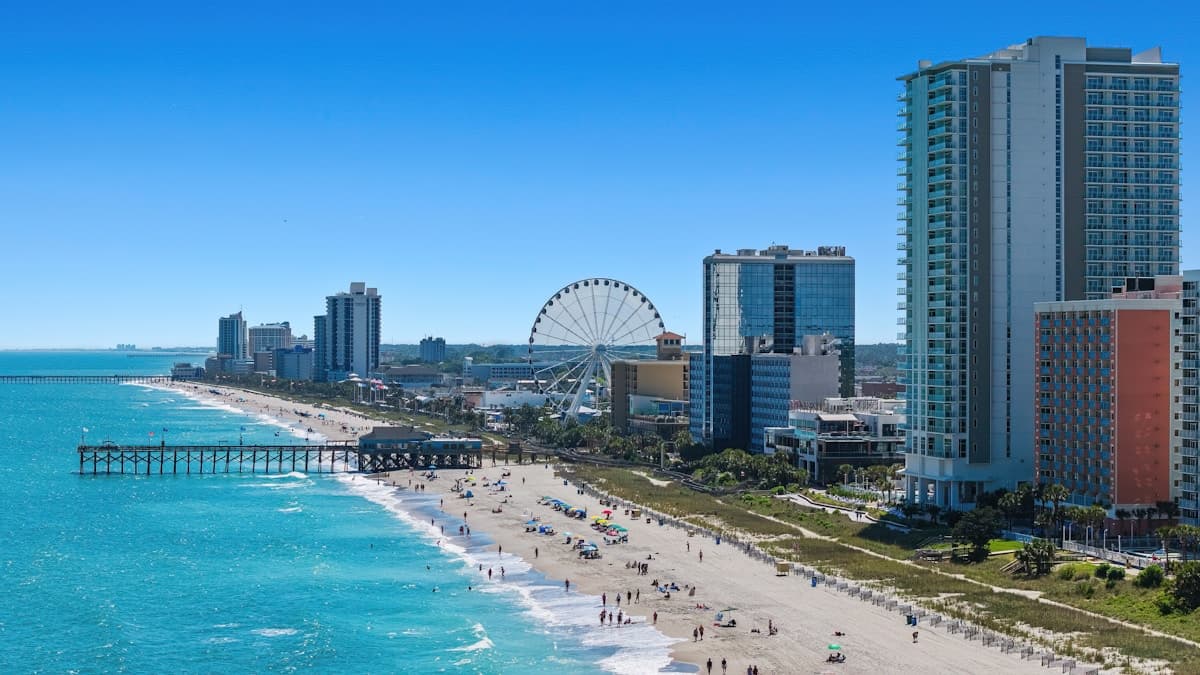
If you've searched "is Myrtle Beach safe" before booking a trip, you're not alone. Myrtle Beach has a reputation problem. Headlines about crime, spring break chaos, and shark sightings get clicks, but they paint a pretty lopsided picture of what's actually a solid family vacation spot. Here's what you really need to know.
Why Does Myrtle Beach Get Called Dangerous?
The short answer: crime stats look worse than they are because of how they're measured. Myrtle Beach has a permanent population of around 35,000, but the city hosts roughly 20 million visitors a year. Crime numbers get divided by permanent residents, not total people in the area. That makes the per-capita rate look inflated compared to cities that don't have massive tourism numbers.
That said, property crime is genuinely higher than the national average. Car break-ins, theft from hotel rooms, and petty crime are real issues, especially during peak summer months. Violent crime tends to cluster in specific areas and late-night scenarios that most vacationers never encounter.
So why is Myrtle Beach so dangerous according to the internet? Mostly because people read the stats without context. The city isn't perfect, but millions of families visit every year without any problems.
Areas to Avoid in Myrtle Beach
Not every part of Myrtle Beach is created equal. The stretch along Ocean Boulevard between roughly 3rd Avenue South and 9th Avenue South gets rowdy at night, particularly on weekends during summer. This is where most of the bar scene concentrates, and it can feel sketchy after midnight.
The area around Highway 17 Bypass on the west side of town has higher crime rates than the beachfront tourist zones. You probably won't have a reason to spend time there as a visitor, but it's worth knowing.
North Myrtle Beach and the southern end near Surfside Beach are calmer, more family-oriented stretches. If you're traveling with kids or just want a quieter trip, staying in those areas is a smart move. Garden City Beach, a bit further south, is another low-key option.
Beach Hazards Worth Knowing About
The ocean itself deserves respect. Rip currents are the biggest genuine danger at Myrtle Beach, responsible for most beach-related emergencies every year. They're strongest after storms and during tidal shifts. If you get caught in one, swim parallel to shore until you're out of the pull, then head back in. Fighting it head-on will exhaust you fast.
Jellyfish show up regularly from late June through September. Most stings are painful but not dangerous. Portuguese man-of-war sightings are rare but do happen. Pay attention to any purple flags on the beach, which signal dangerous marine life in the water.
Sharks are present in the waters off Myrtle Beach, but attacks are extremely uncommon. You're statistically more likely to get hurt in a car accident driving to the beach than by a shark in the water. Avoid swimming at dawn, dusk, or near fishing piers where bait attracts marine life.
Crime and Scams to Watch For
The most common crime affecting tourists is theft. Don't leave valuables visible in your car, ever. Smash-and-grab break-ins happen in beach parking lots, especially along the Boulevard. Use your hotel safe for passports, cash, and electronics you're not carrying.
Timeshare pitches are aggressive in Myrtle Beach. You'll see offers for free show tickets or discounted dinners in exchange for attending a "short presentation." These are high-pressure sales situations. If you go in, know that "no" is a complete sentence and you don't owe anyone your time beyond what you agreed to.
Watch out for overcharging at some of the tourist-trap restaurants along the main strip. Check your bill before paying. The places one or two blocks off the beachfront are usually better value and better food anyway.
Staying Safe at Night
Most safety concerns in Myrtle Beach come down to nightlife. The clubs along Ocean Boulevard and Celebrity Square can get rowdy. Stick to well-lit, busy areas. Travel in groups if you're going out late. Rideshare apps work well in the area, and using one beats walking back to your hotel at 2 AM through quiet streets.
Avoid confrontations. Alcohol plus large crowds equals short tempers, especially during Bike Week (late May) and the weeks around Memorial Day when the area sees its highest visitor numbers. These aren't dangerous events by nature, but they bring bigger crowds and more police presence.
Practical Tips for a Safe Trip
Keep your hotel room locked and use the deadbolt. Don't leave sliding doors open if you're on a ground floor. These are basic travel habits, not specific to Myrtle Beach, but they matter here.
Swim near lifeguard stations. Myrtle Beach has lifeguards on duty from Memorial Day through Labor Day, typically from 10 AM to 5 PM. Outside those hours, you're on your own. The beach is wide and can look calm even when currents are strong.
Stay hydrated. South Carolina heat in July and August is no joke. Temperatures regularly hit the mid-90s with humidity that makes it feel well over 100. Sunscreen, water, and shade breaks aren't optional if you're spending a full day on the sand.
If you're driving, be extra careful along Kings Highway and Highway 17. Traffic gets heavy during summer, and the mix of tourists unfamiliar with the roads and locals in a hurry creates a lot of fender benders. The roundabouts near Barefoot Landing confuse first-time visitors, so take them slow.
The Bottom Line on Myrtle Beach Safety
Myrtle Beach is safe for the vast majority of visitors who use common sense. It's a tourist town with tourist town problems, but it's not the danger zone that clickbait articles suggest. Stay aware of your surroundings, keep valuables secured, respect the ocean, and you'll have a great time. Millions of families do exactly that every single year.