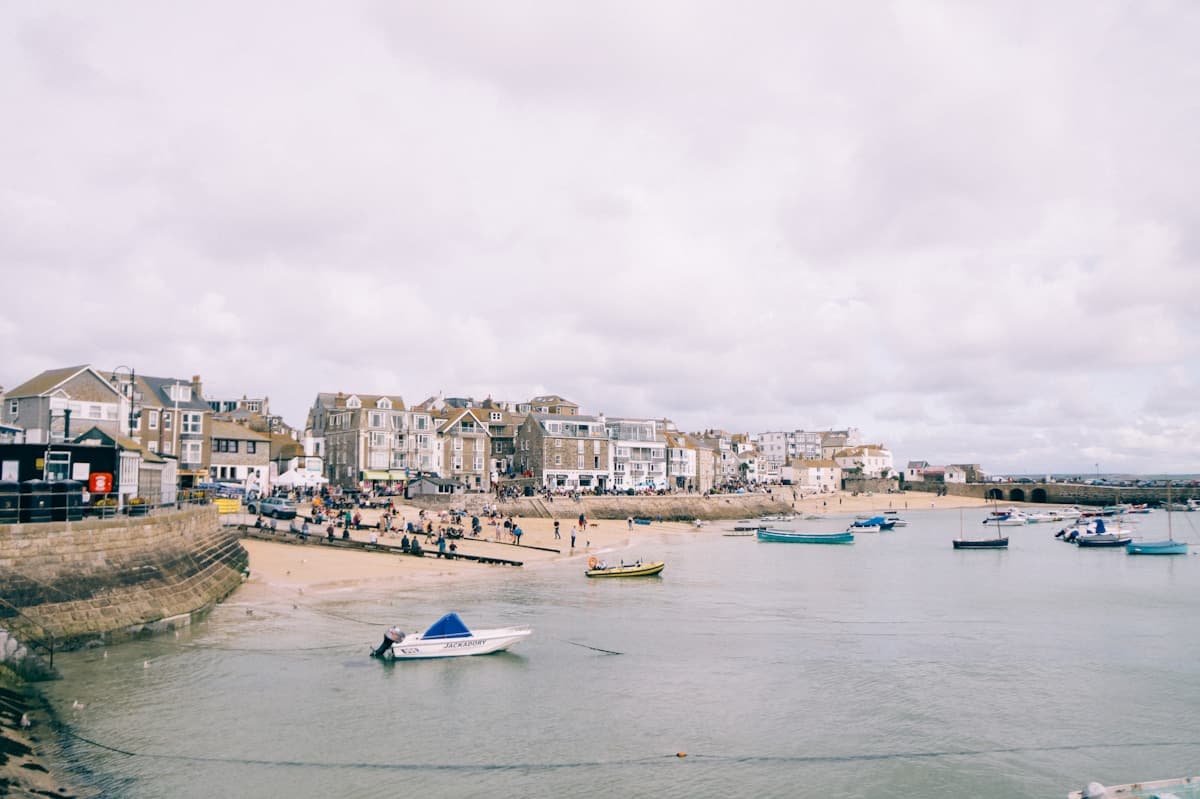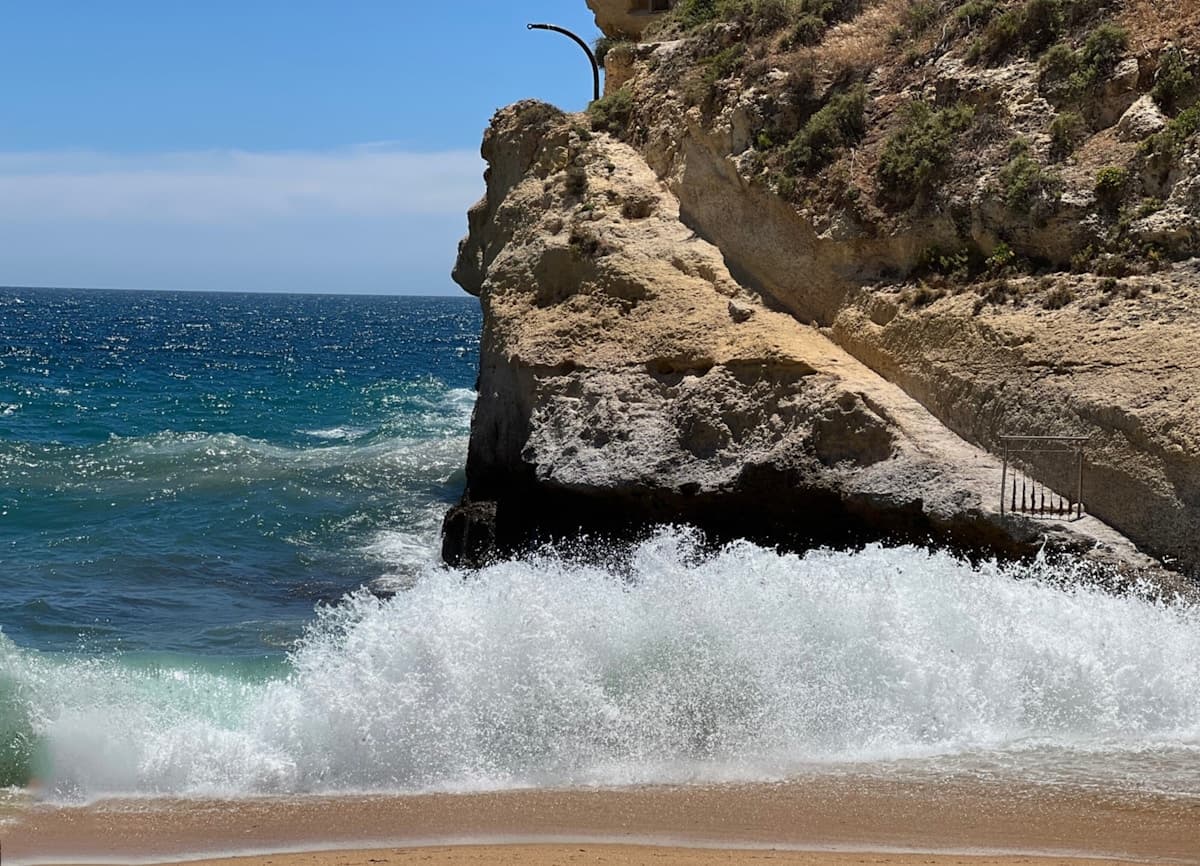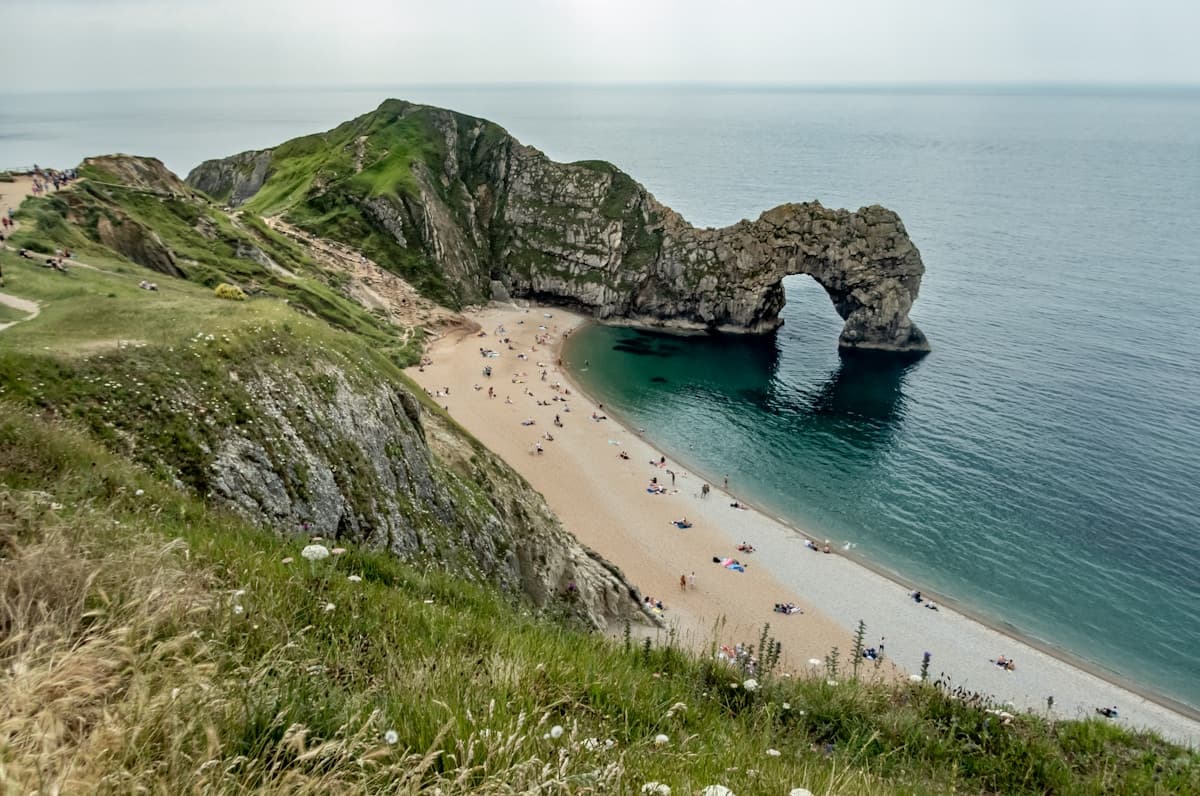
London is not a beach city. But the beaches near London are closer than most people think, and a few of them are genuinely worth your time. The south and southeast coasts sit within one to two hours by train or car, and the difference between a great beach day and a frustrating one usually comes down to picking the right spot for the right day. Here's what actually works for a day trip, what to expect when you arrive, and which beaches earn the journey.
The Closest Beach to London: Southend-on-Sea
Southend wins on convenience alone. It's about an hour from London Fenchurch Street by c2c train, and tickets run around £12 to £15 return off-peak. The beach stretches for over a mile along the Thames Estuary, and the pier (the longest pleasure pier in the world at 1.34 miles) gives you something to do beyond sitting on the sand.
The honest take? The water is estuary water, not the deep blue you see in travel ads. It's clean enough for swimming, but it's brown and shallow. The sand is decent at low tide, though at high tide the beach narrows considerably. Parking along the Western Esplanade costs around £8 to £10 for the day. Summer weekends get busy, but midweek visits are manageable. If you just want to be on a beach with minimum travel hassle, Southend does the job.
Beaches Near London Worth the Extra Train Time
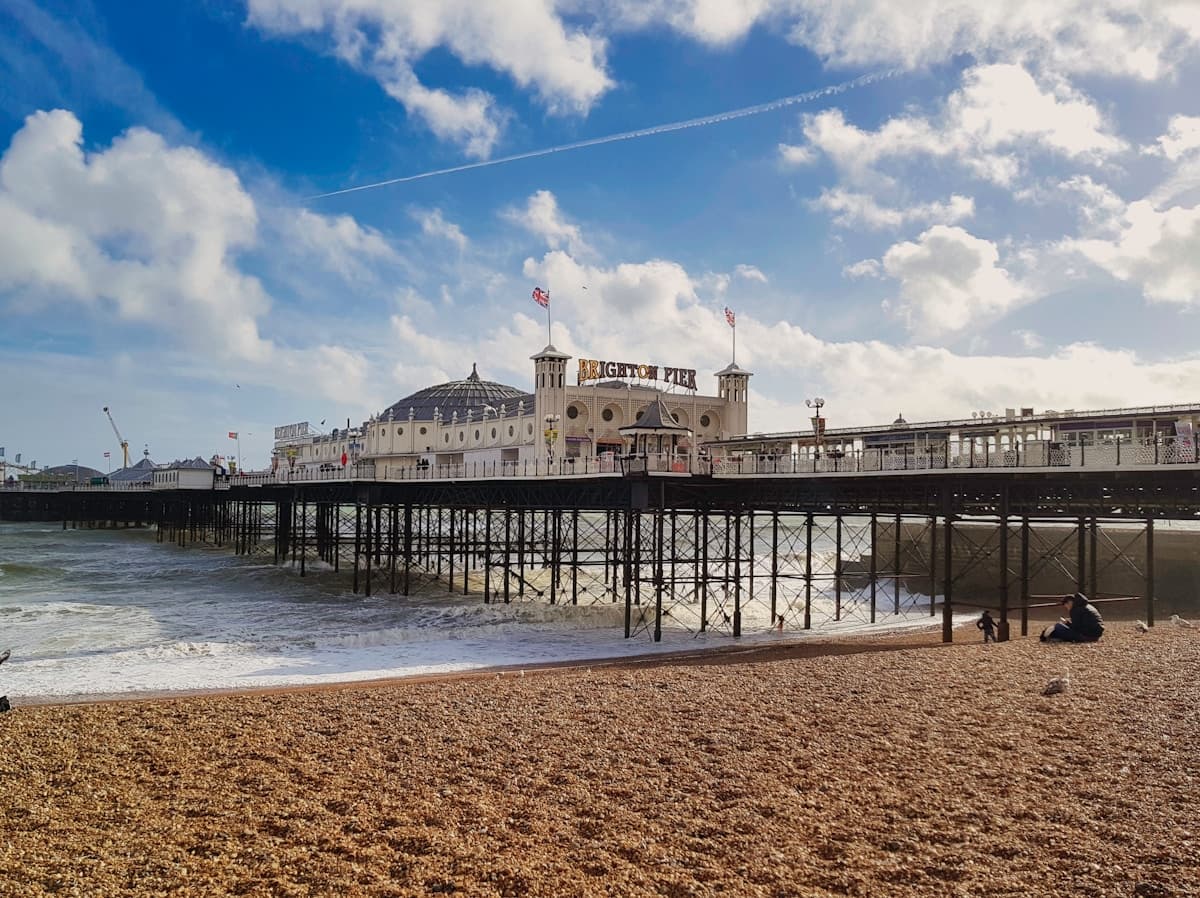
Brighton is the classic London beach trip, and there's a reason it stays popular. Trains from London Victoria or London Bridge take about an hour, and services run frequently. Return tickets are typically £15 to £25 depending on timing. The catch: Brighton beach is pebbles, not sand. You'll want something to sit on, and walking barefoot on those stones is not comfortable. The water quality is good, the seafront has plenty of restaurants and bars, and the atmosphere is lively year round. Parking in central Brighton runs £15 to £25 for a full day, so the train genuinely makes more sense. Summer weekends are shoulder-to-shoulder crowded. Go on a weekday or in September when the students are back and the day trippers thin out.
Broadstairs and Viking Bay is where you go when you want charm without the Brighton chaos. It's about an hour and 40 minutes from London St Pancras on the high-speed service, costing around £20 to £30 return. Viking Bay is a small, sheltered sandy beach tucked below the town, and it feels like stepping into a different era. The sand is genuinely good, the water is clean, and the bay is calm enough for kids. Broadstairs has ice cream shops, fish and chip places, and a relaxed pace that Brighton lost years ago. Parking in town is limited and fills early in summer, so arrive before 10 AM or take the train. Outside of July and August, you'll often have a decent stretch of sand to yourself.
Whitstable is technically a beach town, but people come here for the oysters and the high street more than the shoreline. The train from London Victoria takes about an hour and 20 minutes, around £15 to £20 return. The beach is shingle and not great for swimming, but the town itself is lovely. If your idea of a beach day includes browsing independent shops and eating fresh seafood on the harbour, Whitstable is perfect. If you actually want to swim and lie on sand, keep looking.
Best Sandy Beaches Near London
If sand is non-negotiable, your options narrow but improve.

Camber Sands in East Sussex is the nearest proper sandy beach to London, and it delivers. Flat, wide, golden sand stretching for miles with dunes behind it. The problem is getting there. There's no direct train service, so you're driving (about two hours from central London) or taking a train to Rye and then a bus. Parking at Camber costs £7 to £9 for the day at the main car parks, and they fill up fast on hot weekends. The water is fine for swimming but gets cold quickly, and there's no real shelter from wind. Bring layers even in July. On a sunny midweek day in summer, Camber is as good as any beach in the south of England.
West Wittering in West Sussex has soft sand, shallow water, and a sheltered feel thanks to the sand dunes at East Head. It takes about two hours to drive from London, or you can train to Chichester and bus from there. The beach charges an entry and parking fee that ranges from £8 in winter to £16 or more at peak summer weekends. That fee actually works in your favour because it caps visitor numbers and keeps things from getting overcrowded. Water quality is consistently good, and the beach is popular with families for good reason. Booking parking online in advance is smart for any weekend between June and September.
Bournemouth is further out at about two hours by train from London Waterloo, with returns around £25 to £40. But the beach is seven miles of golden sand, the water quality is excellent, and the town has enough going on to fill a weekend. Bournemouth has beach huts, a pier, and reliable lifeguard cover in summer. Parking near the seafront costs around £10 to £15 for a full day. The crowds are real in peak summer, but the beach is big enough to absorb them if you walk ten minutes east or west of the pier.
Beaches Near London for a Quieter Day
Margate has had a proper revival in recent years. The Turner Contemporary gallery pulled in a creative crowd, and the Old Town is full of independent cafes and vintage shops. The main beach is sandy, the water quality has improved significantly, and the high-speed train from London St Pancras gets you there in about an hour and a half for £20 to £30 return. Margate still has rough edges, and it's not polished like Brighton, but that's part of what makes it interesting. The Walpole Bay tidal pool is worth seeking out if you want a swim without worrying about currents.
For something even quieter, the beaches around Tankerton (just along from Whitstable) or Botany Bay near Broadstairs offer chalk cliffs, rock pools, and far fewer people. Botany Bay is especially photogenic with its chalk stacks, but access involves a steep path and parking is limited to a small lot that charges around £5.
Practical Tips for London Beach Trips
Train travel beats driving for most of these beaches. Parking is expensive, traffic on the M23 and A23 to Brighton is miserable on sunny weekends, and the M2/A2 corridor to Kent isn't much better. Book train tickets in advance for better fares, and travel off-peak when you can.
Pack for British weather regardless of the forecast. A sunny morning in London can turn into clouds and wind at the coast by lunchtime. Bring a windbreak if you're heading to an exposed beach like Camber Sands.
Water temperatures along the south coast range from 14 to 18 degrees Celsius in summer. That's swimmable but bracing, and a short wetsuit makes a real difference. The best window is late June through early September, with September offering the best mix of decent weather and thinner crowds. Bank holiday weekends are chaos at every beach on this list, so plan around them if you can.