England might not be the first country that comes to mind for a beach holiday, but the beaches in England are genuinely stunning when the weather cooperates. From turquoise coves in Cornwall to vast empty stretches in Northumberland where you won't see another person for a mile, there's more range here than most people expect. The catch? Cold water, unpredictable weather, and parking that costs more than your lunch.
Best Beaches in England's Southwest: Cornwall
Cornwall gets the most attention, and for good reason. The coastline is dramatic, the sand is golden to white, and on a clear summer day you could mistake some spots for southern Europe. The water tells a different story. Even in August you're looking at 15 to 17 degrees Celsius, so a wetsuit is smart unless you enjoy gasping.
Porthcurno is a small cove near Land's End that consistently ranks among the most beautiful beaches in the country. The sand is white, the water is an almost unreal shade of turquoise, and the Minack Theatre sits on the cliffs above it. Access requires a steep walk down from the car park, which costs around £5 in summer. That hill keeps the crowds slightly more manageable than other Cornish beaches, though it still fills up by midday in July and August.
Fistral Beach in Newquay is the surfing capital of England. The beach is wide and sandy with consistent Atlantic swell. It gets busy during surf competitions, and the town leans into surf culture with board hire shops and cafes everywhere. Parking runs about £8 for the day in peak season. Best months are May, June, and September when the waves are good but school holiday crowds thin out.
Southwest: Devon
Devon has excellent coastline on both the north and south coasts. The south coast tends to be more sheltered with warmer water, while the north coast faces the Atlantic and gets bigger waves.
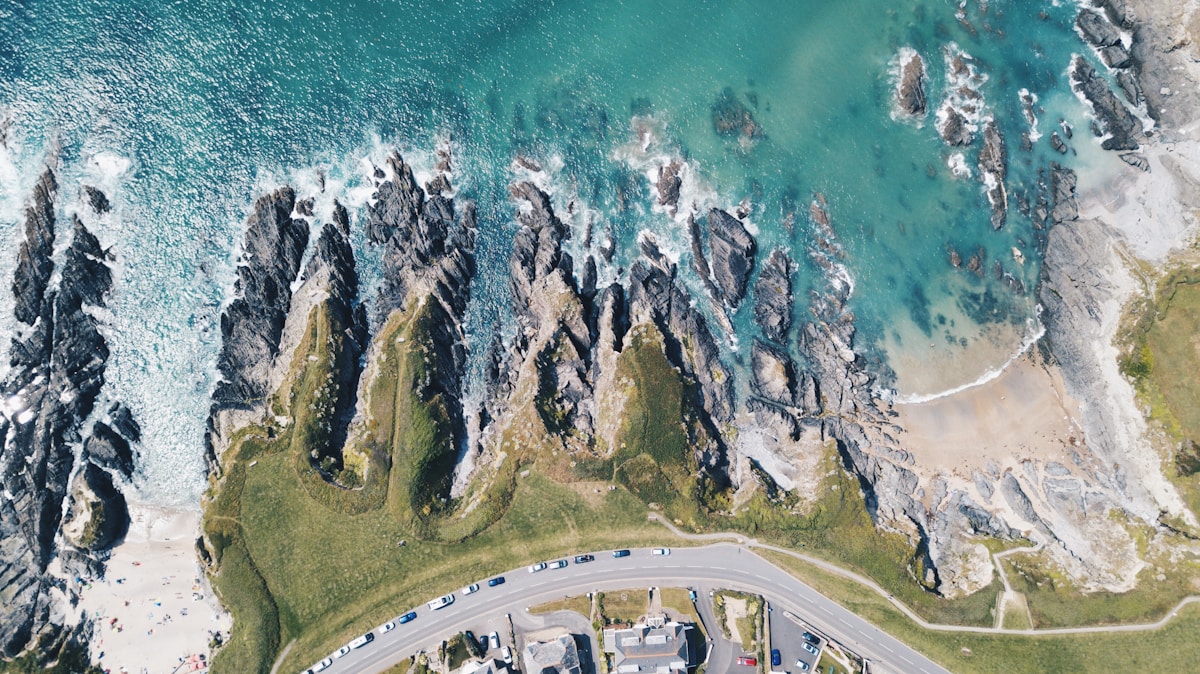
Woolacombe on the north Devon coast is a three-mile stretch of golden sand backed by dunes. It's regularly voted one of the best beaches in England, and it holds up. The beach is big enough that even on busy days you can find space if you walk past the main access point. Parking is about £6 to £8 depending on the lot. The village has a relaxed feel with fish and chip shops and a couple of pubs.
Blackpool Sands near Dartmouth is a privately managed beach. It costs about £6 to park but the facilities are clean and the beach is well kept. The water is some of the cleanest in Devon, and the cove is sheltered enough for swimming without a wetsuit on warm days. Pebbly at the top, sandy closer to the waterline.
South Coast: Dorset and Hampshire
Dorset's Jurassic Coast is a UNESCO World Heritage Site, and the beaches here come with cliffs, fossils, and a rougher, wilder feel than the manicured resorts further east.
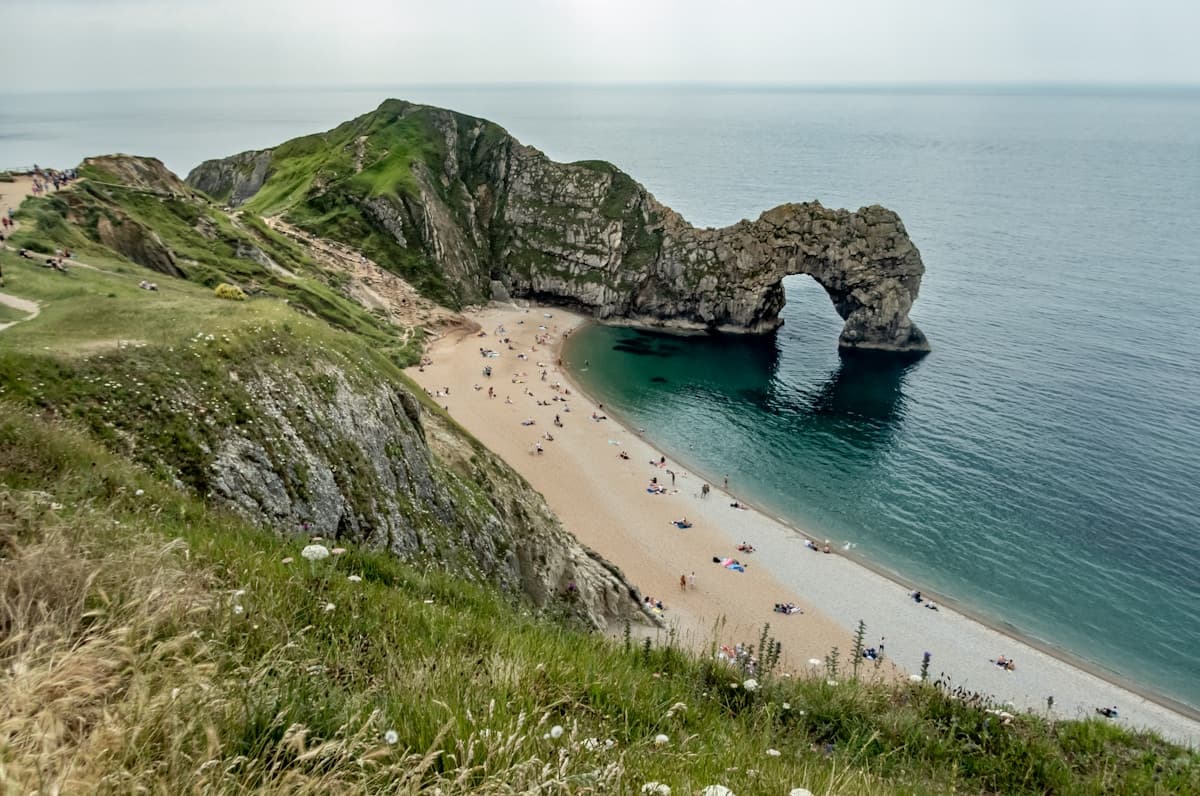
Durdle Door is probably the most photographed beach in England. That natural limestone arch is genuinely impressive, and the beach beneath it is lovely. Getting there means a steep climb down (and back up) from the clifftop car park at Lulworth. The steps are uneven and there are no facilities on the beach. No toilets, no cafe, no shade. Be honest about your fitness level before committing to the descent. Parking costs £10 or more in summer.
Bournemouth Beach is the opposite experience. Seven miles of sandy beach with promenades, pier attractions, restaurants, and easy access from the town centre. The sand is good and the water is clean enough for swimming. It gets packed on hot weekends, and parking near the seafront can run £15 for a full day. If you want convenience over seclusion, Bournemouth works.
Southeast: Kent and Sussex
The southeast coast is the most accessible from London, which means these beaches get hammered on sunny weekends. The trade-off is easy transport links and plenty of infrastructure.
Camber Sands in East Sussex is one of the few genuine sand dune beaches in the southeast. The sand is golden and the beach stretches enormously at low tide. It feels wild and remote despite being two hours from London. Parking fills up fast on summer weekends, and the single access road creates traffic jams. Go on a weekday if you can, and watch the tides because the water comes in quickly across the flat sand.
Botany Bay in Kent is a small beach tucked between chalk cliffs and sea stacks. It photographs beautifully and feels more dramatic than you'd expect from Kent. Access is via steps from the clifftop, and there's limited parking. Best visited at low tide when the full beach is exposed.
East Coast: Norfolk and Suffolk
The east coast of England has a completely different character. Long, flat beaches with big skies, marshland behind the dunes, and a quieter, more understated vibe.
Holkham Beach in Norfolk is vast. At low tide, you're walking hundreds of metres across firm sand to reach the water, and the beach stretches for miles in both directions. It's backed by pine woods and a nature reserve, and the whole setting feels untouched. Parking costs around £8 through the Holkham Estate. This is a beach for long walks, not swimming. The water is shallow and cold, but the emptiness is the draw.
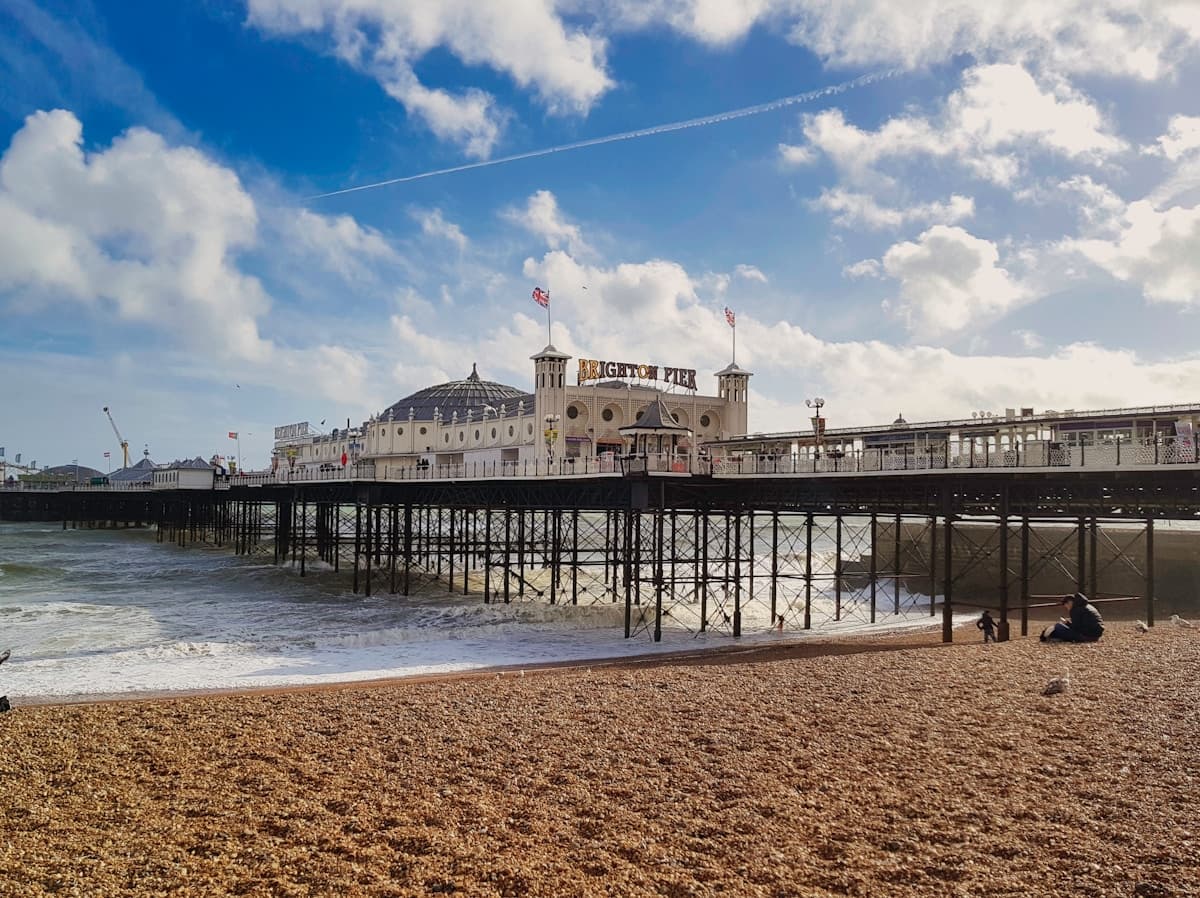
Southwold in Suffolk combines a good sandy beach with a charming town behind it. There's a pier, beach huts in classic pastel colours, and Adnams brewery a short walk from the shore. It's popular with families and day trippers from London, but the atmosphere stays relaxed. The beach itself has a mix of sand and shingle depending on the section.
Northeast: Yorkshire and Northumberland
The northeast coast is often overlooked entirely, which is exactly why it's worth visiting. The beaches here are emptier, the scenery is rugged, and accommodation costs less than Cornwall by a significant margin.
Robin Hood's Bay in Yorkshire is a dramatic little beach at the base of a steep village. The beach is rocky with tidal pools that are great for kids, and the village is a cluster of old stone cottages stacked up the hillside. Parking is at the top of the hill, and you walk down. Not ideal for a traditional beach day, but brilliant for exploring and atmosphere.
Bamburgh Beach in Northumberland might be the most underrated beach in England. A wide sweep of golden sand below Bamburgh Castle, with the Farne Islands visible offshore. On a weekday outside school holidays, you might have a quarter mile of beach to yourself. The water is cold, properly cold, even in summer. But the scenery is extraordinary. Parking is free or a few pounds in the village.
Practical Tips for English Beaches
The best months are June through September, with July and August being warmest but busiest. Water temperatures peak around 16 to 18 degrees in the south and 13 to 15 in the north. A wetsuit extends your season significantly.
Budget £5 to £15 for parking depending on location and season. Many beaches charge more on weekends and bank holidays. Check tide times before you go, especially on the east and southeast coasts where beaches change dramatically between tides. Pack layers and sunscreen regardless of cloud cover.