Daytona Beach has a reputation problem. Search "why is Daytona Beach so dangerous" and you'll find Reddit threads, local news clips, and clickbait headlines that paint the place like a war zone. The reality is more boring than that. Is Daytona Beach safe for visitors? Mostly, yes. But there are some things worth knowing before you go.
The Crime Situation, Honestly
Daytona Beach does have higher crime rates than the national average. That's true. But the numbers need context. Most of the violent crime happens in specific inland neighborhoods well away from the tourist strip. Areas like the stretch along Ridgewood Avenue between ISB and Mason Avenue, or parts of Midtown, see the bulk of the city's crime stats. These aren't places most visitors wander into.
The beachside area, especially along A1A from Main Street up to the Shores, is a different story. It's well-patrolled, busy with tourists, and about as threatening as any mid-tier Florida beach town. Petty theft happens. Don't leave your phone sitting on a towel while you swim. Lock your car. Standard stuff.
If you're staying at a hotel on the beachside or in Daytona Beach Shores, your odds of running into trouble are genuinely low.
Rip Currents Are the Real Danger
The thing that actually hurts tourists at Daytona Beach isn't crime. It's the ocean. Rip currents along this stretch of coast are responsible for multiple rescues every single week during peak season. Some years, there are fatalities.
Volusia County lifeguards use a flag system. Purple means marine pests (jellyfish, usually). Red means high surf and strong currents. Double red means stay out entirely. Pay attention to these. They're not suggestions.
If you get caught in a rip current, swim parallel to shore until you're out of the pull, then angle back in. Fighting it head-on is how people drown. And if the water looks oddly calm in one channel while waves are breaking on either side, that calm spot is likely a rip. Stay clear.
Bike Week and Spring Break
Two events push Daytona's chaos meter way up: Bike Week (early March) and Spring Break (mid-March through April).
Bike Week brings around 500,000 motorcycle enthusiasts to the area over ten days. Main Street turns into a loud, crowded party. Most of the bikers are harmless, but the sheer volume of people, alcohol, and loud exhaust changes the feel of the town completely. If you're not into that scene, avoid booking during the first two weeks of March. Hotels jack prices up anyway.
Spring Break crowds have actually thinned out compared to the 1990s. Daytona made a deliberate effort to push the party crowd toward other destinations. You'll still see college kids on the beach, but it's nothing like Panama City Beach levels. The bigger annoyance is traffic. A1A gets gridlocked, parking near the boardwalk becomes a nightmare, and everything from restaurants to grocery stores gets busier.
Areas to Stick To
The safest and most visitor-friendly parts of Daytona Beach are pretty easy to identify.
Daytona Beach Shores sits just south of the main drag. It's quieter, more residential, and popular with families. Hotels here tend to be cleaner and less rowdy than the ones near the boardwalk.
Ormond Beach, just to the north, is another solid pick. It's technically its own city, but it blends right into Daytona. Quieter beaches, less traffic, good restaurants along Granada Boulevard.
The beachside strip between Seabreeze and Main Street is the tourist core. It's safe during the day and reasonably safe at night, though the area around the boardwalk can get sketchy after midnight. Use the same judgment you'd use in any downtown bar district.
Ponce Inlet, at the southern tip, is genuinely peaceful. The lighthouse is worth a visit, and the beaches there are some of the least crowded in the area.
Areas Worth Avoiding
You don't need to be paranoid, but a few spots aren't great for wandering around, especially at night.
The stretch of International Speedway Boulevard heading inland from the beach gets rougher the further west you go. Past the Halifax River, the area around the Speedway itself is fine, but the neighborhoods between the river and Nova Road can be sketchy after dark.
Parts of South Daytona along Ridgewood Avenue aren't dangerous exactly, but they're run-down and not worth exploring as a tourist.
The boardwalk area late at night, particularly on weekends during events, attracts a rough crowd. Bar fights, aggressive panhandling, and occasional worse. Leave by midnight and you'll avoid most of it.
Driving on the Beach
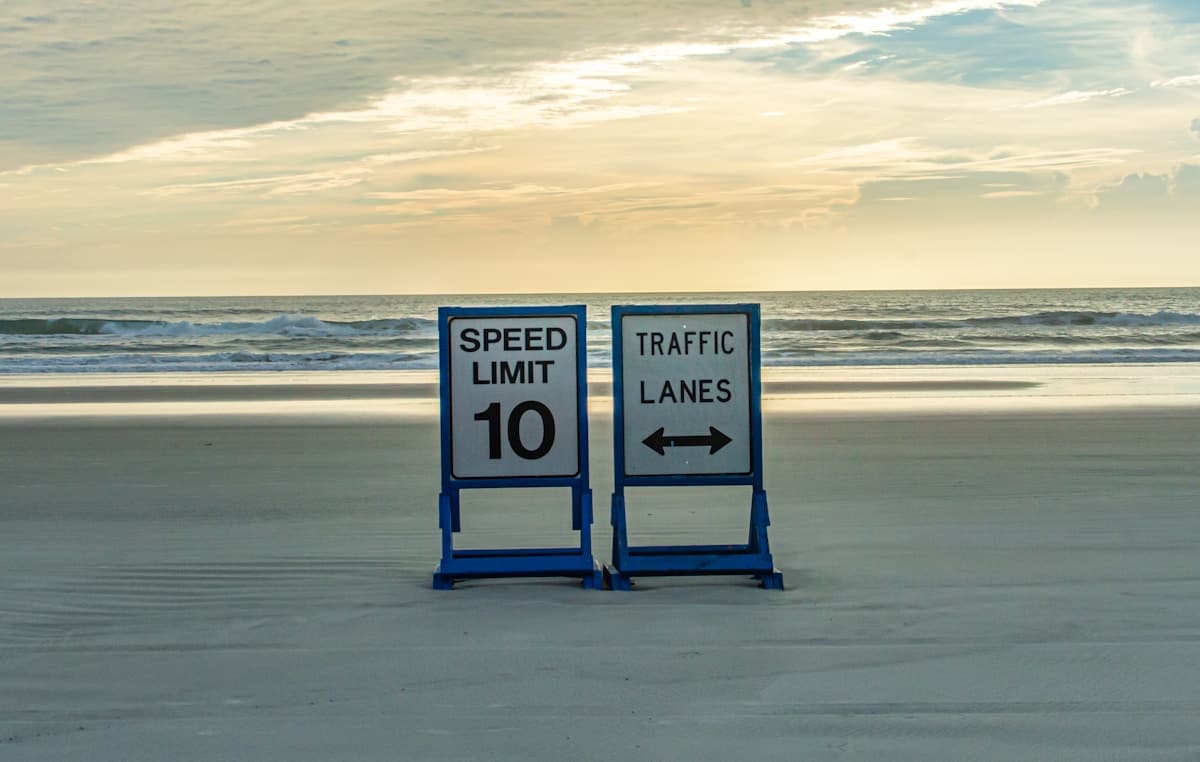
Daytona is one of the few places in the US where you can drive right on the sand. That's part of the appeal, but it also means you need to watch out for cars while sunbathing. Seriously. There's a 10 mph speed limit on the beach, but not everyone follows it. Set up your spot away from the driving lanes, and keep an eye on kids.
Access ramps charge $20 per vehicle during peak season. The free stretches are at the north end near Ormond and south near Ponce Inlet, though availability changes seasonally.
Practical Safety Tips
Keep valuables out of sight in your car. Smash-and-grabs happen in beach parking lots everywhere in Florida, and Daytona is no exception.
Wear reef-safe sunscreen and reapply every two hours. Florida sun is no joke, and the beach breeze tricks you into thinking you're not burning.
Stay hydrated. Heat exhaustion sneaks up on people faster than they expect, especially if you're drinking.
If you're swimming, stay near a lifeguard tower. The staffed beaches between the access ramps are your safest bet.
Watch for Portuguese man-of-war during warmer months. They wash up on the sand and the tentacles still sting even when the animal is dead.
The Bottom Line
Daytona Beach isn't the dangerous wasteland that some corners of the internet suggest. It's a mid-range Florida beach city with the same mix of good and rough spots you'd find in dozens of similar towns along the coast. Stick to the beachside areas, respect the ocean, time your visit outside of Bike Week if crowds aren't your thing, and you'll have a perfectly solid trip. The biggest risk most visitors face is a sunburn and a $20 parking fee.