Does Texas have beaches? Absolutely. The state sits on roughly 367 miles of Gulf of Mexico coastline, stretching from the Louisiana border down to the tip of South Padre Island near Mexico. Some of those beaches are genuinely beautiful. Others are more functional than pretty. And the water is not going to look like Cancun. But if you know where to go and what to expect, Texas beaches can surprise you.
The Best Texas Beaches Worth Your Time
Not all 367 miles are created equal. Here are the spots that actually deliver.
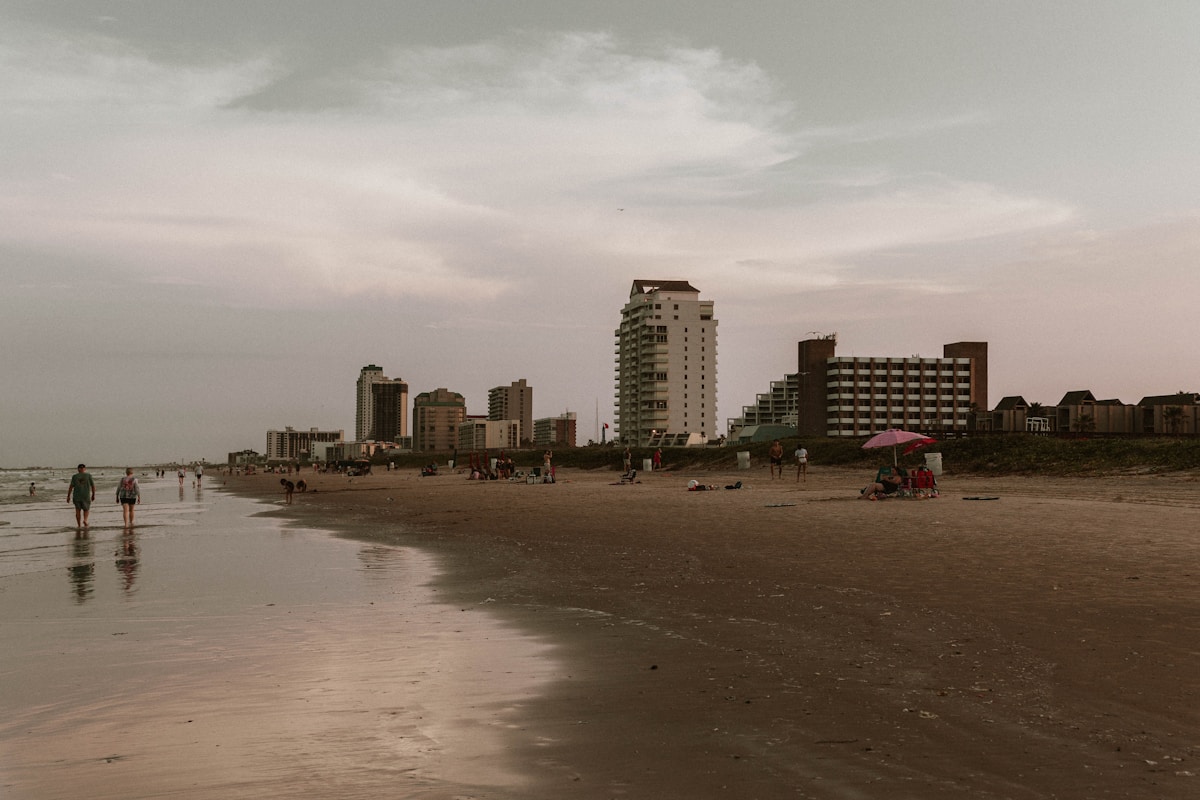
South Padre Island is the crown jewel. Sitting at the southern tip of the state, about 30 minutes from the Mexican border, it has the clearest water you'll find on the Texas coast. The sand is fine and tan, the waves are mellow, and the vibe ranges from spring break party zone to quiet family stretches depending on where you set up. From San Antonio, it's about a 4.5-hour drive. From Houston, closer to 6 hours. Hotels on the island run anywhere from $120 to $350 a night depending on season.
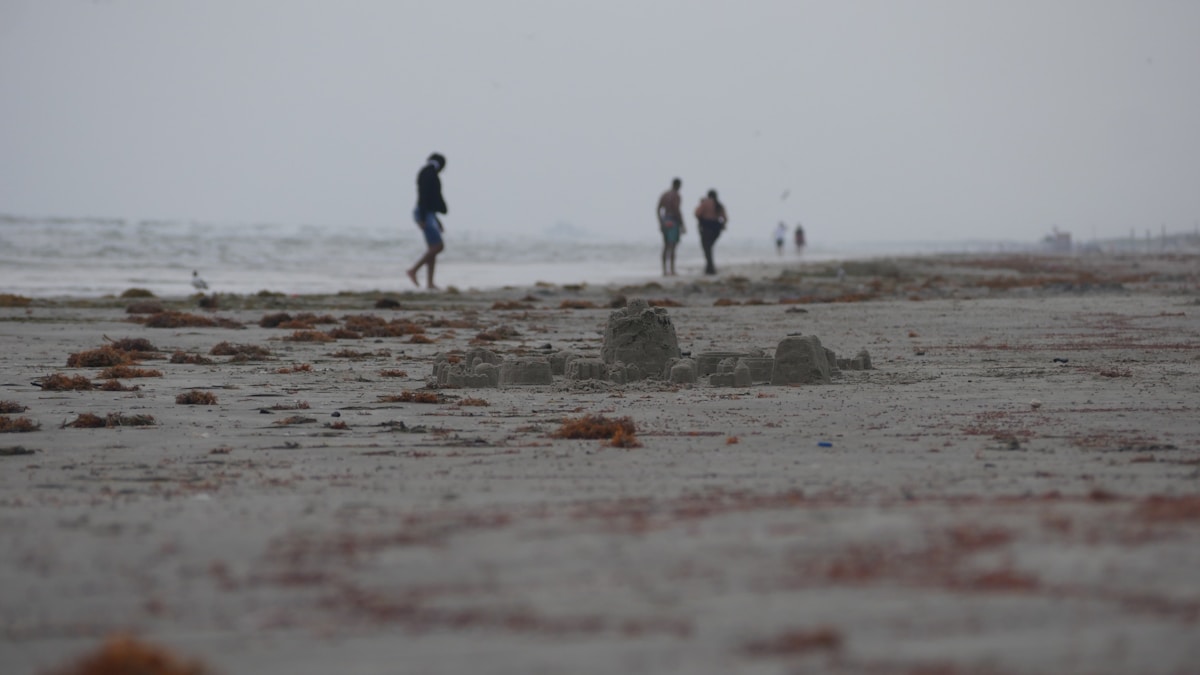
Port Aransas sits on Mustang Island, about 30 minutes from Corpus Christi by car (including a quick ferry ride). It's a small, laid-back beach town with a strong fishing culture. The beach is wide and uncrowded on weekdays. Water clarity here is decent but not South Padre level. It's roughly a 3.5-hour drive from San Antonio and about 4 hours from Houston. Budget around $100 to $250 a night for lodging.
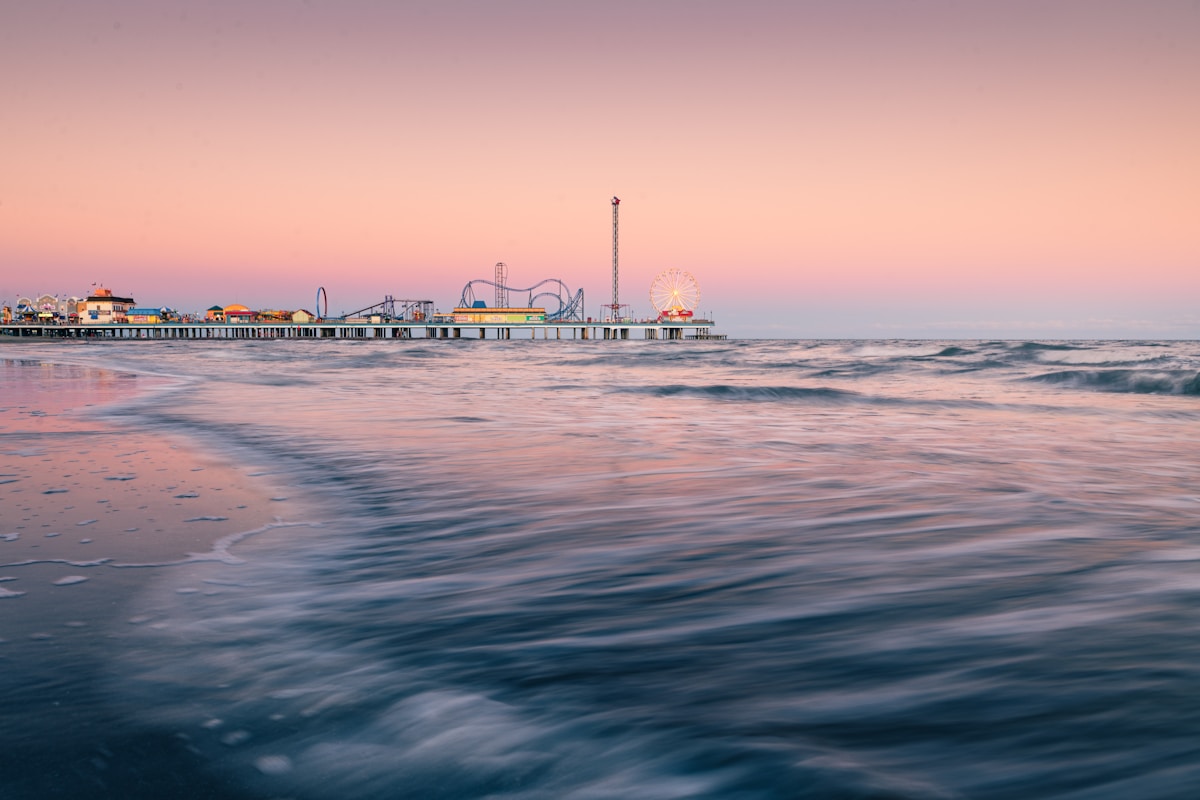
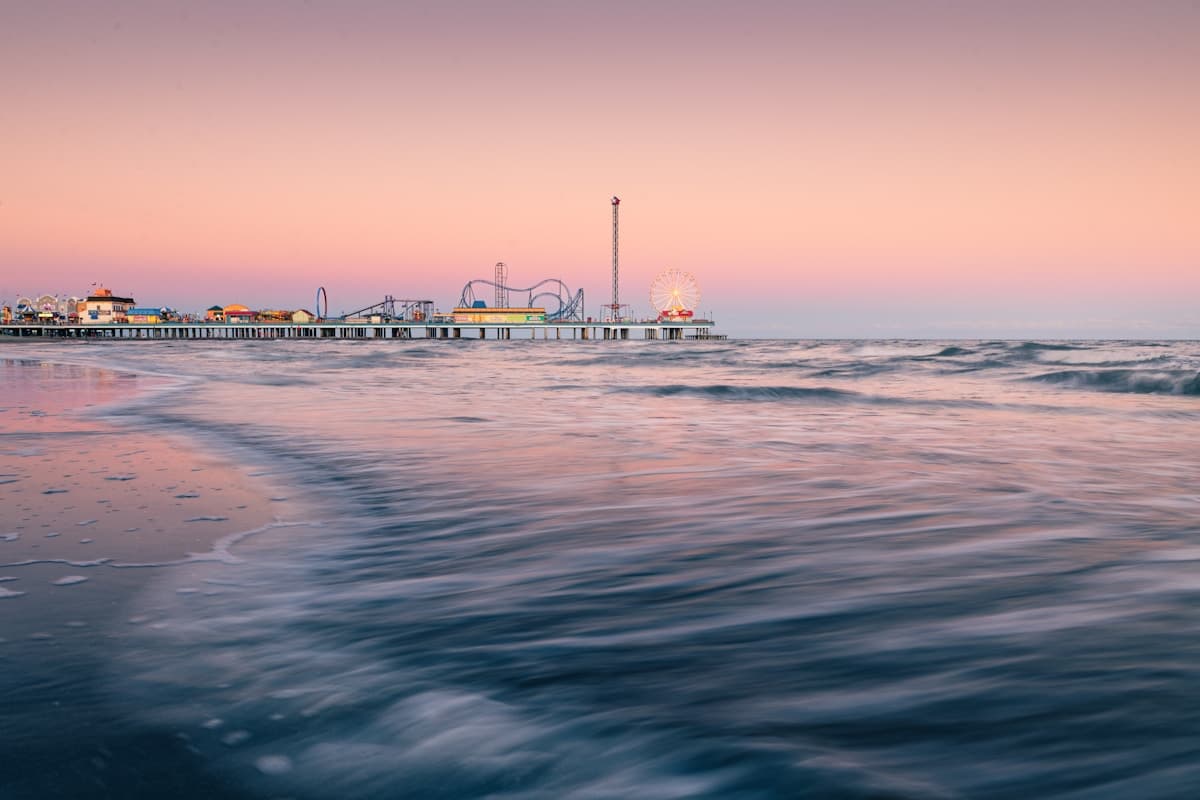
Galveston Island is the most accessible beach for the 7 million people living in the Houston metro. It's only about an hour's drive from downtown Houston, which makes it the default day-trip beach for a huge chunk of the state. The trade-off is the water. Galveston sits where the muddy outflow of the Trinity and San Jacinto rivers meets the Gulf, so the water is brown more often than not. It's still perfectly swimmable and safe, just don't expect turquoise.
Rockport Beach is a smaller, quieter option on Aransas Bay. The water here is calm and shallow, making it popular with families who have young kids. It's one of the few Texas beaches that charges a small entrance fee (about $5 per vehicle). The town itself is pleasant, with good seafood restaurants and a walkable downtown.
What Does the Water Actually Look Like?
This is where you need honest expectations. Gulf of Mexico water along the Texas coast ranges from greenish-gray to murky brown, depending on the location, recent weather, and river runoff. After a storm, even the nicer beaches can look like chocolate milk for a few days.
South Padre Island consistently has the best water clarity because it sits far from major river outflows. On a calm day, the water there is a soft green-blue that photographs well. Port Aransas falls somewhere in the middle. Galveston is almost always on the murky side.
None of it compares to the Florida Panhandle or the Caribbean. If crystal-clear water is your top priority, Texas beaches will disappoint. If you're there for wide-open sand, warm water, good fishing, and a solid beach day without flying somewhere, they deliver.
When to Visit Texas Beaches
Peak season runs from Memorial Day through Labor Day. Water temperatures hit the low 80s by June and stay warm through September. The humidity is intense from June through August, often pushing heat indexes above 105 degrees.
Spring (March through May) is arguably the best window. Water is warming up, crowds are thinner outside of spring break weeks, and the heat hasn't hit full force yet. Fall is similar, though you're rolling the dice on hurricane season, which runs June through November.
Winter beach trips are possible but limited. Water temperatures drop into the 50s and 60s, and while air temps can still hit the 70s on good days, it's not reliable sunbathing weather.
Costs and Practical Details
Texas beaches are mostly free to access. The state has open-beach laws that guarantee public access to the coastline. You can park on the sand at many beaches, including portions of Galveston and the entire stretch of Padre Island National Seashore.
Padre Island National Seashore charges a $10 per vehicle entrance fee, valid for 7 days. It's 70 miles of undeveloped coastline between Corpus Christi and South Padre Island, and it feels like the edge of the world. Four-wheel drive is required for the more remote stretches.
Beach house rentals on South Padre range from $150 to $500 a night depending on size and season. Galveston rentals tend to run $100 to $300. Port Aransas falls in between. Eating out at beachside restaurants, expect to pay $15 to $25 per person for a casual seafood meal.
Driving Times from Major Texas Cities
Knowing the drive helps with planning. Here's a rough breakdown:
- Houston to Galveston: 1 hour
- Houston to Port Aransas: 3.5 to 4 hours
- Houston to South Padre Island: 5.5 to 6 hours
- San Antonio to Port Aransas: 3 to 3.5 hours
- San Antonio to South Padre Island: 4.5 hours
- Dallas to Galveston: 4.5 hours
- Dallas to South Padre Island: 8 hours
- Austin to Port Aransas: 3.5 hours
If you're coming from Dallas or Austin, the drive to any beach is a commitment. Most people from those cities fly into Corpus Christi or Harlingen to cut travel time.
So, Does Texas Have Beaches Worth Visiting?
Yes. They're not the prettiest beaches in the country, and the water won't match what you see in travel magazine covers. But Texas beaches offer something that a lot of popular destinations don't: space. Miles of open sand where you can set up without a stranger's towel two feet away. Affordable lodging and food. Easy access for tens of millions of Texans who'd rather drive than fly.
South Padre Island is the one to prioritize if you want the best combination of water quality and beach experience. Port Aransas is the play for a chill fishing-town weekend. Galveston works when you just need sand and saltwater without a big trip. Pick the right spot for what you're after, and Texas beaches are well worth it.