The best beaches in the UK can genuinely rival anything in southern Europe, at least when the sun cooperates. Turquoise water, white sand, dramatic cliffs. It's all here. The tradeoff? Water temperatures that hover around 12 to 16 degrees Celsius even in summer, and weather that can turn on you mid-afternoon. But if you pick the right beach on the right day, you'll wonder why you ever booked a flight to the Mediterranean.
Cornwall: The Heavy Hitters
Cornwall dominates most UK beach lists, and for good reason. The coastline here is absurdly beautiful, and you get variety within a short drive.
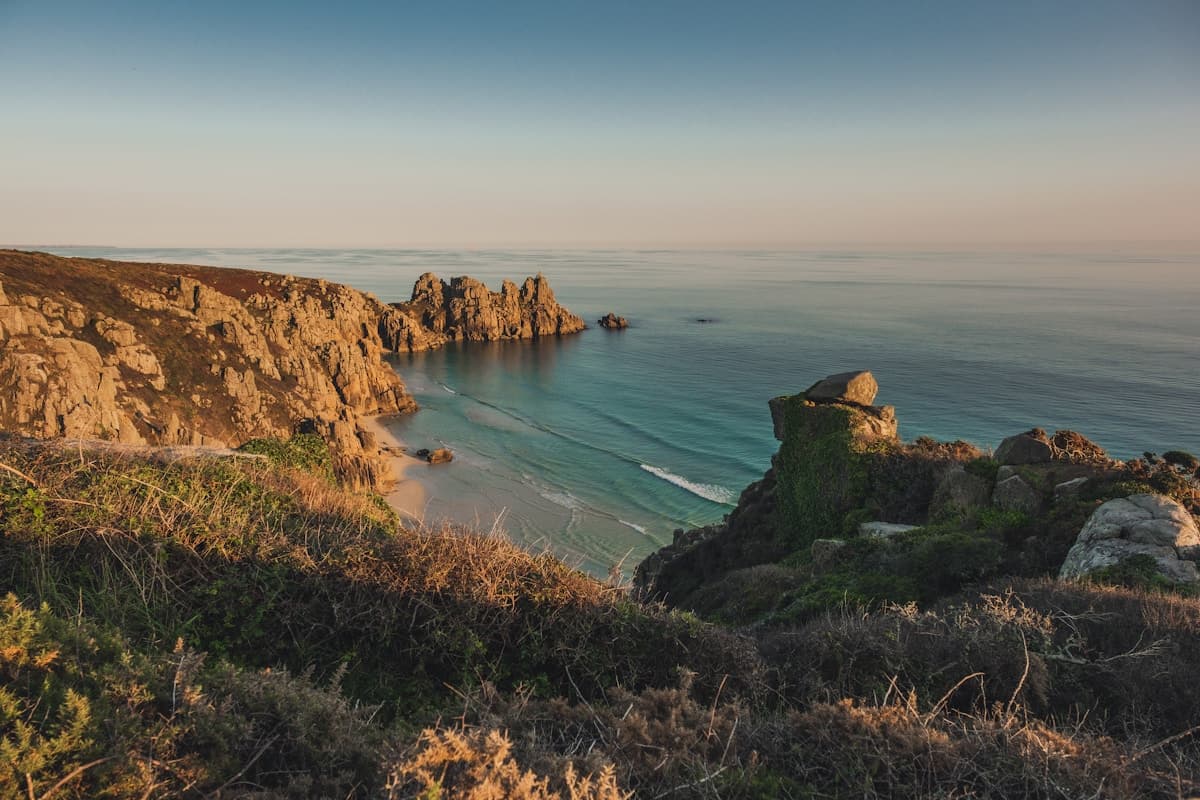
Porthcurno might be the most striking beach in England. It sits at the base of steep granite cliffs with sand that looks almost white against deep blue-green water. The Minack Theatre perches on the cliff above, which gives you something to do if the weather turns. Getting down to the beach means a steep path, so it's not ideal for anyone with mobility issues. Parking costs around £5 in the National Trust car park, and spaces go fast in July and August. From London, you're looking at five to six hours of driving, so this is a trip, not a day out.
Kynance Cove on the Lizard Peninsula is the beach that ends up on most postcards. Serpentine rock stacks, caves, and water so clear it looks tropical. At low tide, it's spectacular. At high tide, much of the sand disappears, so check tide times before you commit to the walk down. The path from the National Trust car park takes about 15 minutes and it's steep on the way back up. Arrive before 10 AM in summer or prepare to queue for parking.
Fistral Beach in Newquay is a completely different experience. This is a surf beach, wide and exposed with consistent Atlantic swells. If you want to learn to surf, Fistral is probably where you'll do it. Surf schools line the road behind the beach, with lessons starting around £35 for a couple of hours. The beach gets busy but its size absorbs crowds better than the smaller coves. Newquay town is right there with cheap food and pubs, which makes it popular with younger visitors.
Devon: Crowd Pleasers That Earn It
Cross the border into Devon and the coastline keeps delivering. The beaches here tend to be wider and more family-friendly than Cornwall's tucked-away coves.
Woolacombe is a three-mile stretch of golden sand backed by dunes. It consistently wins "best beach" awards, and when you see it on a clear day, you understand why. The surf is gentler than Fistral, making it better for families and beginners. Parking runs about £5 to £8 depending on the lot, and the main car parks fill up by late morning during school holidays. The village has fish and chip shops, a couple of decent pubs, and enough to keep you sorted for a full day.
Croyde sits just around the headland from Woolacombe and attracts a younger crowd. The surf is punchier, the beach is smaller, and the village has a laid-back vibe. Parking is tight in peak season. Woolacombe handles the family day, Croyde handles the evening surf session.
Dorset: The Jurassic Coast Icons
Lulworth Cove is that perfect circular bay you've seen in geography textbooks. The geology is genuinely fascinating, and the water is sheltered enough to be swimmable on calm days. The walk down from the village takes a few minutes, and there's a visitor centre with decent exhibits. Parking is around £5, managed by the Lulworth Estate.
Durdle Door is a short cliff walk from Lulworth and possibly the most photographed natural landmark in the UK. The limestone arch framing the sea looks incredible at sunset. The beach below is pebbly rather than sandy, and the path down is steep and uneven. Swimming through the arch is tempting but be cautious. Currents can be unpredictable, and coastguard rescues happen here regularly.
Best Beaches in Scotland
If you want beaches that look like the Caribbean but feel like the Arctic, Scotland delivers. Water temperatures up here sit around 10 to 14 degrees even in August, so a wetsuit is not optional, it's survival gear.
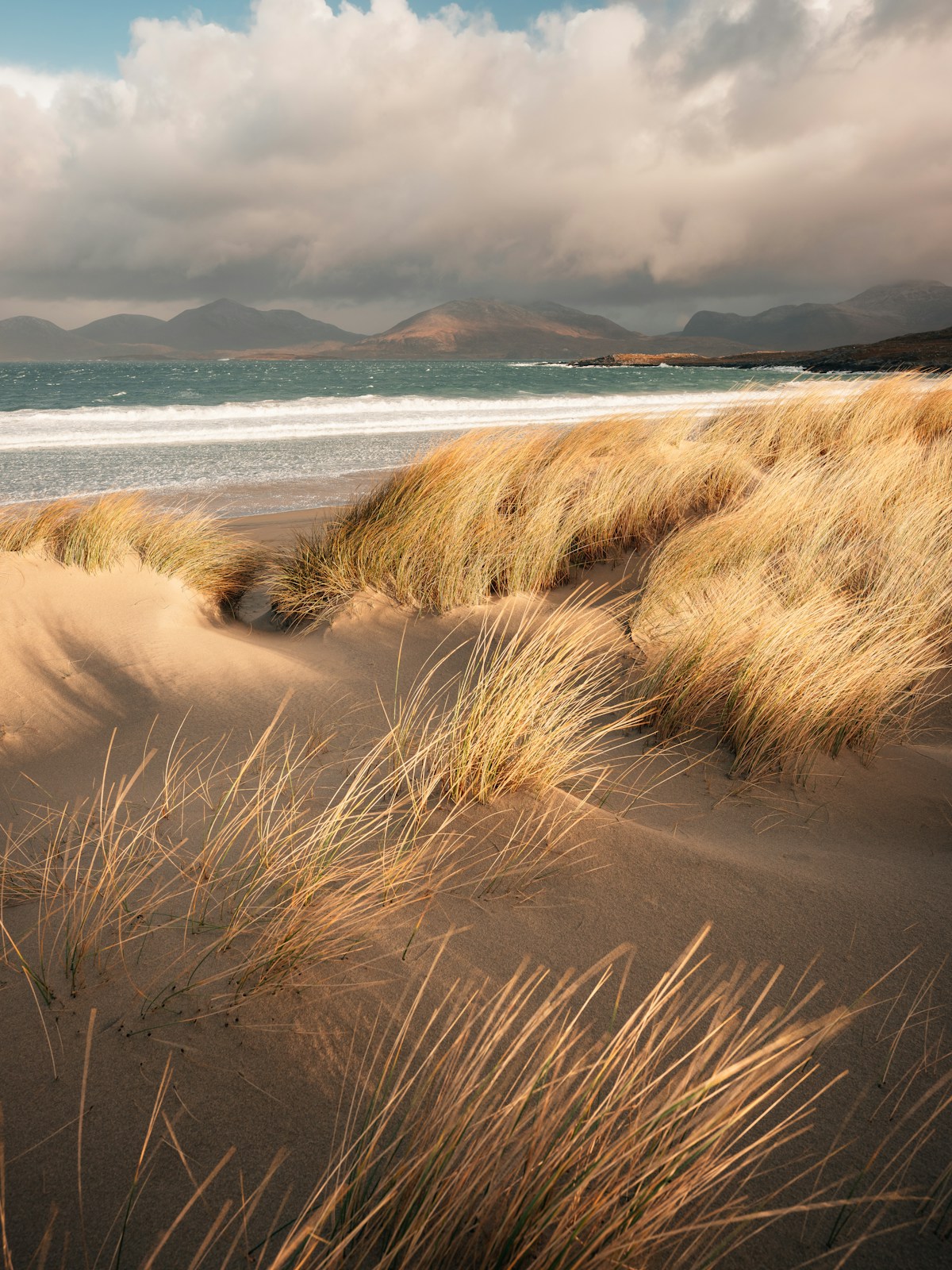
Luskentyre on the Isle of Harris is often called the most beautiful beach in Britain, and it's hard to argue. Miles of white shell sand, water that turns every shade of blue and green, and barely a soul around. Getting there requires a ferry to Harris from Skye or Ullapool, then a drive across the island. The remoteness is the point. There are no facilities, no cafes, no lifeguards. Just you and the Atlantic.
Achmelvich in the Scottish Highlands is more accessible but still remote by English standards. The bay is small with white sand and clear water. There's a basic campsite nearby, which makes it a solid option for an overnight stay. The drive from Inverness takes about two hours on single-track roads, which is part of the adventure.
Wales: Underrated and Worth the Drive
Wales has beaches that match Cornwall for beauty but draw a fraction of the crowds. The Gower Peninsula and Pembrokeshire coast are the highlights.
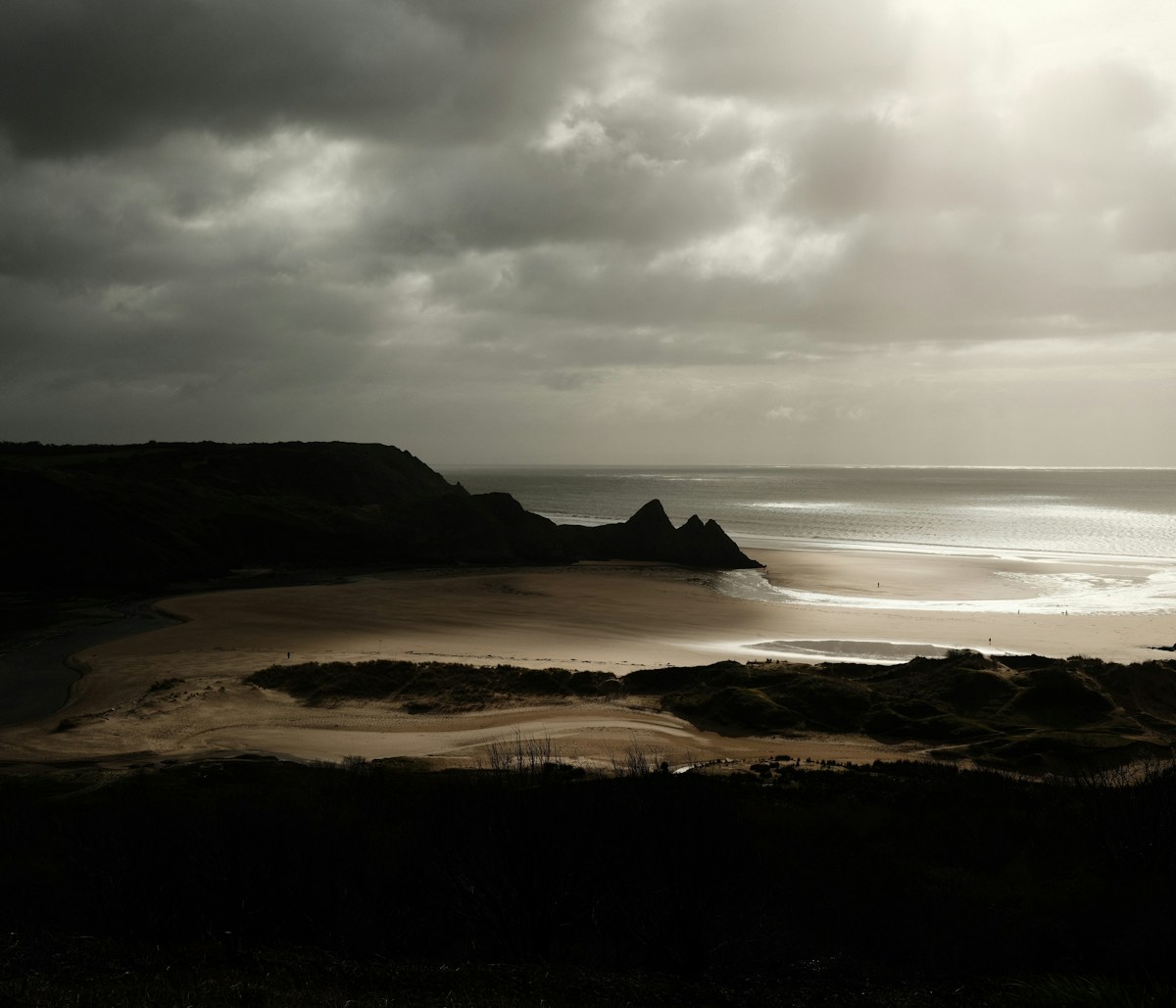
Rhossili Bay on the Gower is a three-mile sweep of sand with Worm's Head tidal island at one end. The walk down from the village is steep, which keeps away anyone not willing to work for it. Surfing is good here, and the beach rarely feels crowded even in summer. Parking is managed by the National Trust and costs around £5.
Barafundle Bay in Pembrokeshire requires a half-mile walk from the nearest car park at Stackpole Quay, with no road access at all. That walk filters out the casual visitors and leaves you with a sheltered cove that feels private. The sand is golden, the water is clear, and there's not a single building in sight. It's one of the few UK beaches where you can genuinely forget what century it is.
Northumberland: The Quiet North
Bamburgh Beach stretches below one of the most dramatic castles in England. The combination of wide, empty sand and a medieval fortress on the hill behind is something you won't find anywhere else. The water is cold, the wind can be bracing, and you might have a half-mile section entirely to yourself on a weekday. From London it's a solid five-hour drive, but if you're touring the northeast or heading to Scotland, it's a mandatory stop.
When to Visit UK Beaches
Late June through August gives you the best chance of warm weather, but July and August bring school holiday crowds to every popular beach. September is often the sweet spot: water temperatures peak after a summer of warming, crowds thin out, and you sometimes get stretches of calm, sunny weather. May and early June can be beautiful too, though water temperatures will have you gasping. Bank holiday weekends turn every car park into a nightmare, so plan around them if you can.
The honest truth about UK beaches is that they're world-class on their day. The catch is that "their day" might be 15 days a year. But when you get one of those days, clear skies, warm sun, turquoise water, there is genuinely nowhere better.