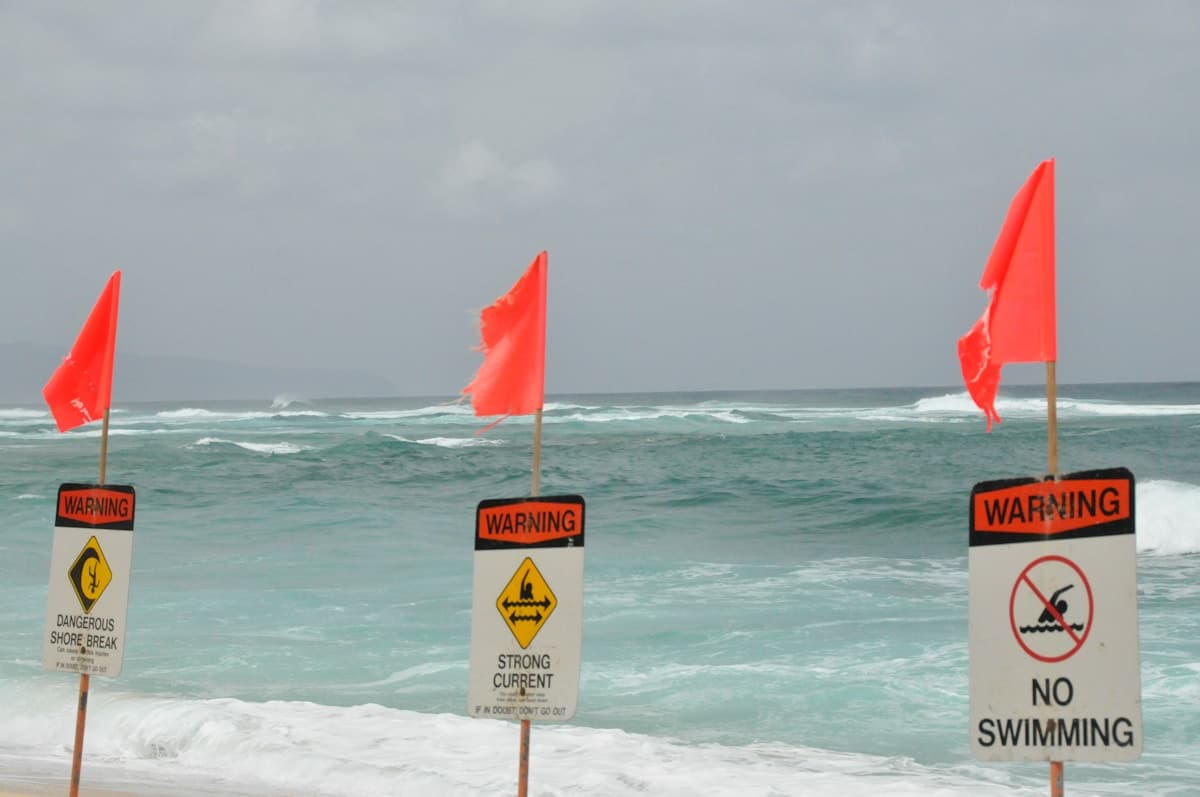
You show up at the beach, towel in hand, ready to swim, and there's a colored flag flapping in the wind near the lifeguard stand. So what do colored flags on beach mean, exactly? Most people walk right past them. That's a mistake. Those flags are there because someone already figured out how dangerous the water is that day so you don't have to guess.
Beach flag systems vary slightly between countries and even between US states, but the core colors are universal enough that learning them once will keep you safer at almost any coastline. Here's what each one means and what you should actually do when you see it.
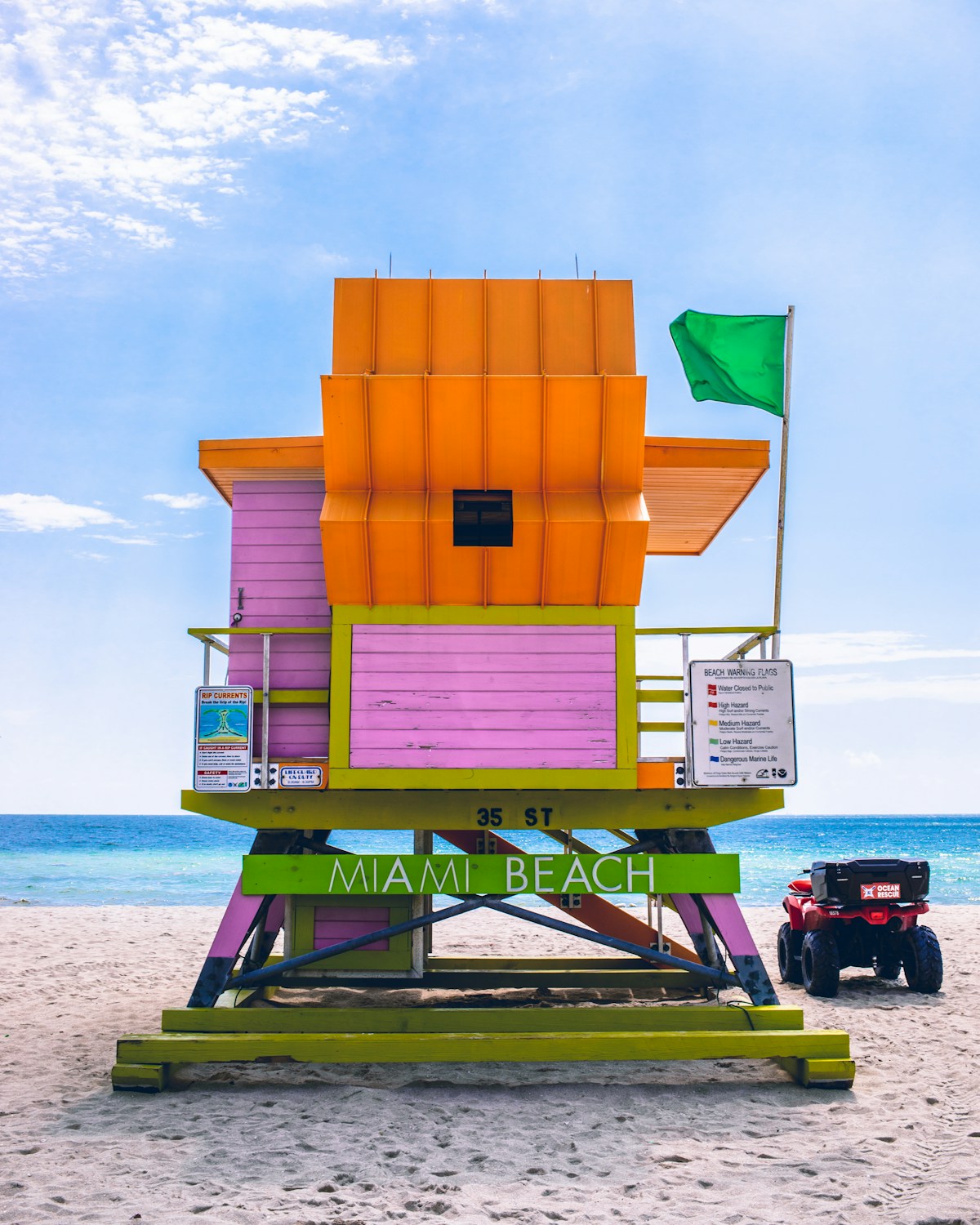
Green Flag: Low Hazard
A green flag is the best one you can see. It means calm conditions, low surf, and minimal current. Swimming is considered safe for most people.
That said, "low hazard" is not the same as "no hazard." The ocean is still the ocean. Waves can surprise you, and conditions can shift during the day. Keep an eye on kids, stay within your comfort zone, and don't assume a green flag means the water is a swimming pool.
Green flags are most common on calm mornings before afternoon winds pick up. If you're planning to snorkel or swim with younger children, a green flag morning is your best window.

Yellow Flag: Medium Hazard
If you're wondering what does the yellow flag mean on the beach, it's a step up from green. Yellow means moderate surf, possible currents, and conditions that require stronger swimming ability. You can still swim, but you need to pay attention.
Yellow is probably the most common flag you'll see at popular beaches. The ocean rarely sits perfectly calm all day, so medium hazard conditions are normal. Stick to waist-deep water if you're not a confident swimmer. Watch for rip currents, which can form even in moderate conditions, and swim near a lifeguard.
One thing worth knowing: a yellow flag in the morning can easily turn red by afternoon if conditions build. Check the flags again after lunch, especially if you've been off the beach for a few hours. Conditions shift faster than most people expect.
Red Flag: High Hazard
What does a red flag on the beach mean? Exactly what you'd think. Dangerous conditions. Strong currents, high surf, or both. Swimming is strongly discouraged, and in some areas lifeguards will actively warn you out of the water.
A single red flag doesn't always mean the beach is closed, though. In many US beach towns, you can technically still enter the water at your own risk. But "your own risk" is doing a lot of heavy lifting in that sentence. Red flag days are when rescues spike. Strong swimmers get caught in rip currents. Tourists underestimate the power of big waves. Every summer, red flag days account for the majority of ocean drownings.
If you see a red flag, stay on the sand or wade in ankle-deep at most. Watch the waves from the shore. It's genuinely not worth it.
Double Red Flag: Water Closed
Two red flags, one above the other, means the water is closed to all swimmers. No exceptions. This isn't a suggestion. In Florida and much of the Gulf Coast, swimming past a double red flag can result in a fine, and lifeguards will pull you out.
Double red conditions usually show up during tropical storms, hurricane swells, or severe weather events. The surf is too powerful, the currents too unpredictable, and rescue conditions too dangerous for lifeguards to safely help if you get into trouble.
Stay out. Completely. Don't go in to "just stand at the edge." Waves during double red conditions can knock you off your feet in knee-deep water and drag you out before you can react.
Purple Flag: Dangerous Marine Life
The purple flag is one people often miss. What does the purple flag mean at the beach? It signals that dangerous marine life has been spotted in the area. That could mean jellyfish, stingrays, sharks, or Portuguese man-of-war, depending on where you are.
A purple flag doesn't necessarily mean the beach is closed. It's a warning to be extra cautious. In many places, especially along the Gulf Coast and parts of Australia, purple flags fly alongside other colored flags. So you might see a yellow and purple flag together, meaning moderate surf plus jellyfish in the water.
If you see a purple flag, ask the lifeguard what's been spotted. Jellyfish and stingrays are way more common than sharks, and the response is different. Shuffle your feet in shallow water to avoid stepping on rays. Wear water shoes if jellyfish are around. And if a shark has been sighted, it's usually best to stay dry until the flag comes down.
Checkered Flag: Surfing or Activity Zone
A black and white checkered flag marks an area designated for board sports like surfing, bodyboarding, or kayaking. Swimmers should stay out of these zones, and surfers should stay inside them.
This flag exists to prevent collisions. A surfboard traveling at speed can seriously injure a swimmer, and surfers can't always steer around people in the water. If you see a checkered flag, look for the solid-colored flags nearby marking the swimming area instead.
Some beaches use a red and yellow flag (not to be confused with a single red) to mark the opposite: a supervised swimming zone between two flags. You'll see this system a lot in the UK and Australia.
Rip Currents: The Biggest Hidden Danger
Flags warn about rip currents indirectly, but it's worth calling them out specifically. Rip currents are responsible for about 80% of ocean rescues, and they can form on any beach, any day, even when conditions look calm from the shore.
If you get caught in one, don't fight it. Swim parallel to the shore until you're out of the pull, then swim back in at an angle. Most rip currents are narrow, maybe 20 to 30 feet wide, so you don't have to go far to escape one. The people who drown in rip currents are almost always the ones who try to swim straight back against the flow and exhaust themselves.
Flag Systems Vary by Location
In the US, the flag system described above is standard across most Gulf Coast and Atlantic beaches. But not every beach follows it exactly. Some smaller beaches don't fly flags at all. Others use local variations.
Internationally, it gets more varied. European beaches regulated under the Blue Flag program use a similar system but add blue flags for beach quality. Australia uses red and yellow flags to mark patrolled swimming zones, with red flags alone meaning danger. Many Caribbean beaches have limited or no flag systems, which means you're on your own to judge conditions.
The smart move is the same everywhere: look for flags when you arrive, ask a lifeguard if you're unsure, and never assume calm-looking water is safe. The ocean doesn't care how good a swimmer you think you are.